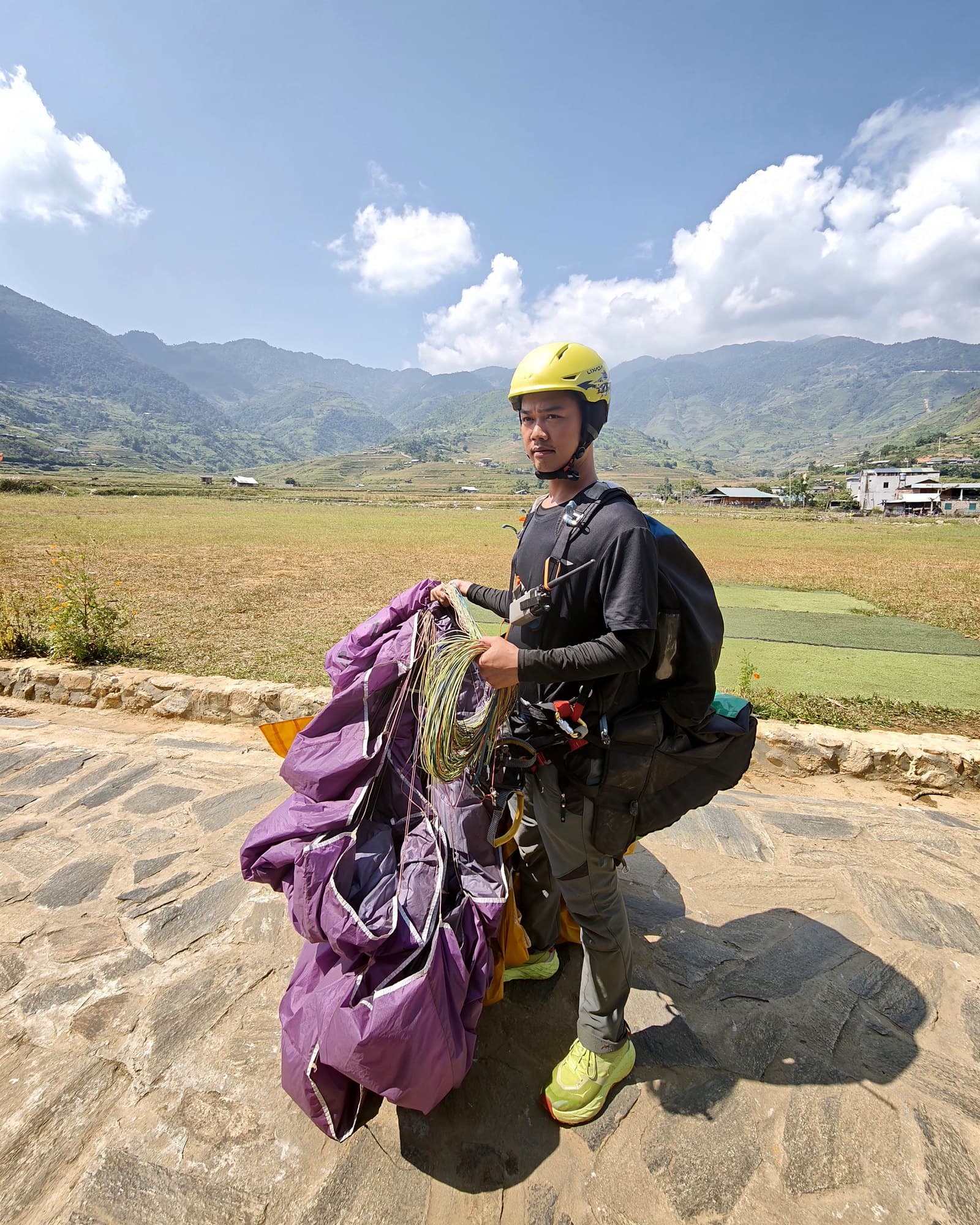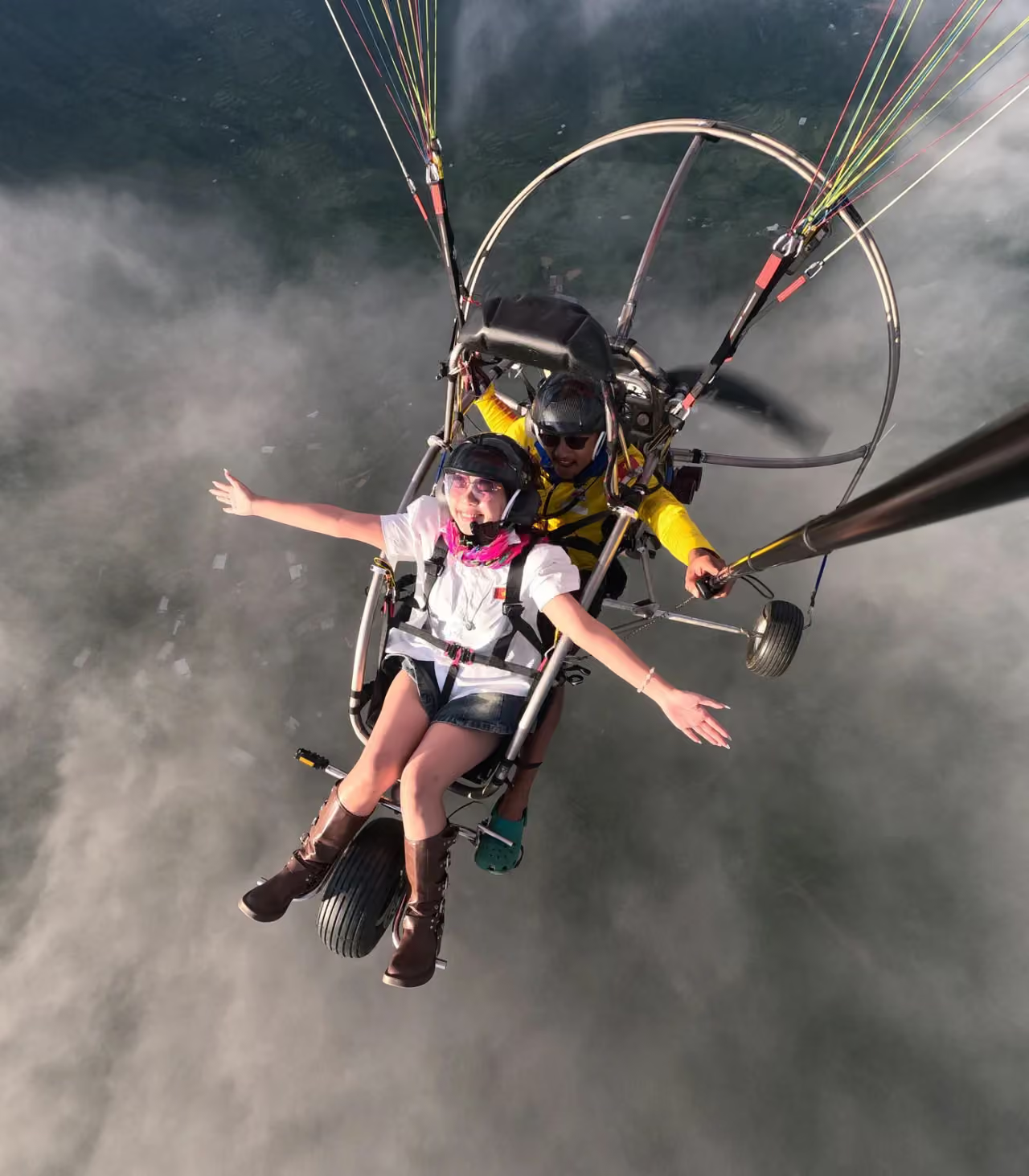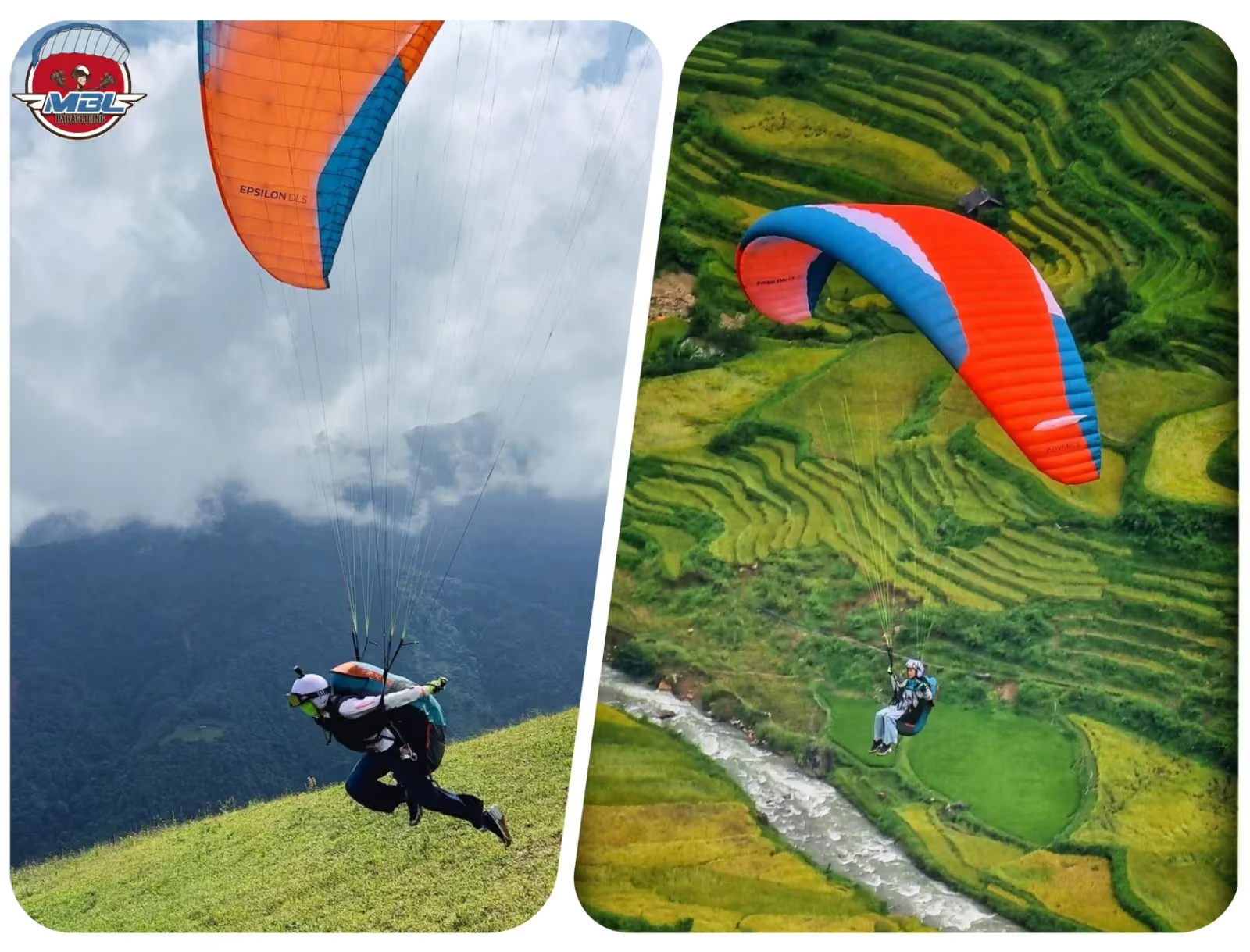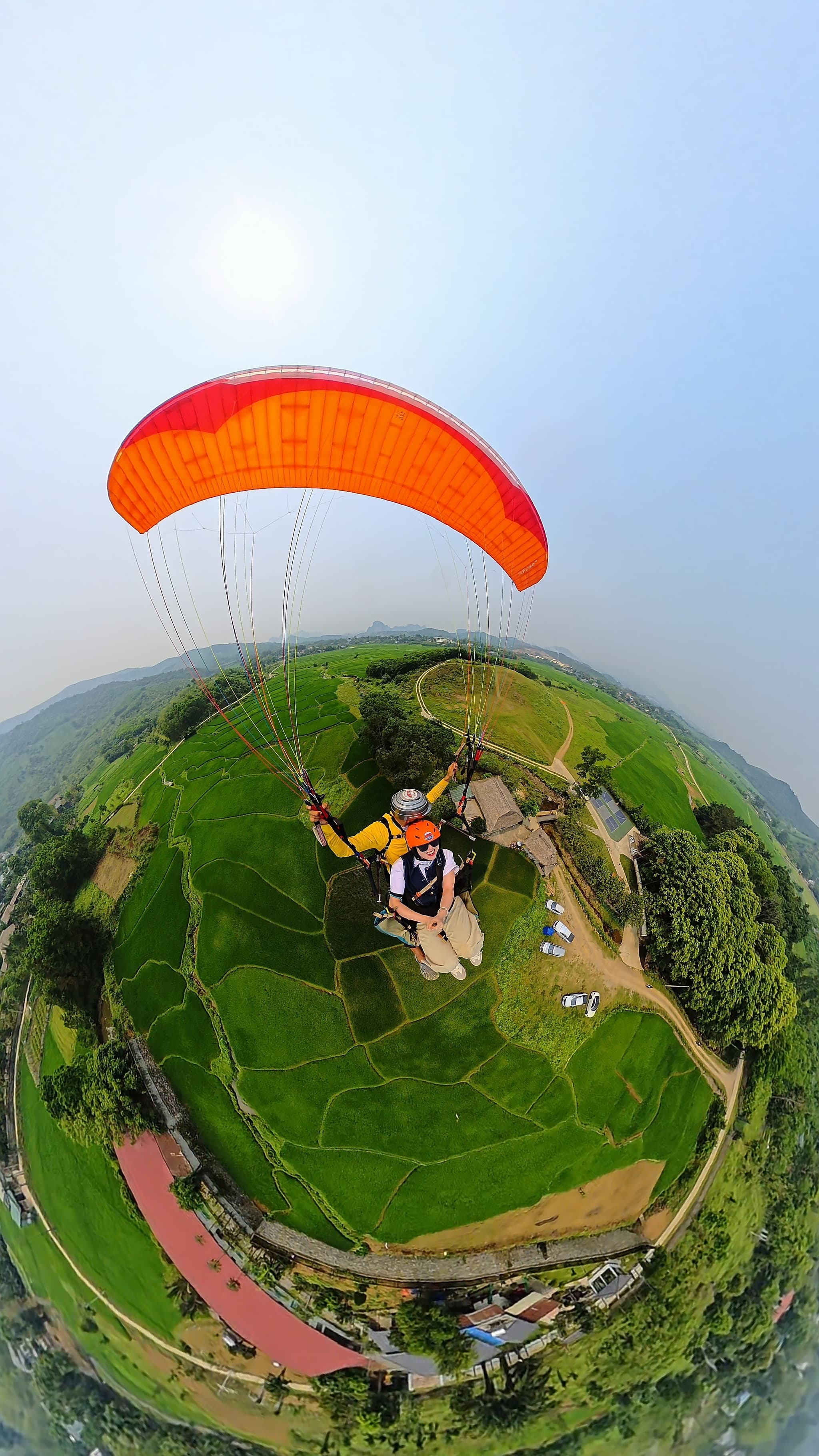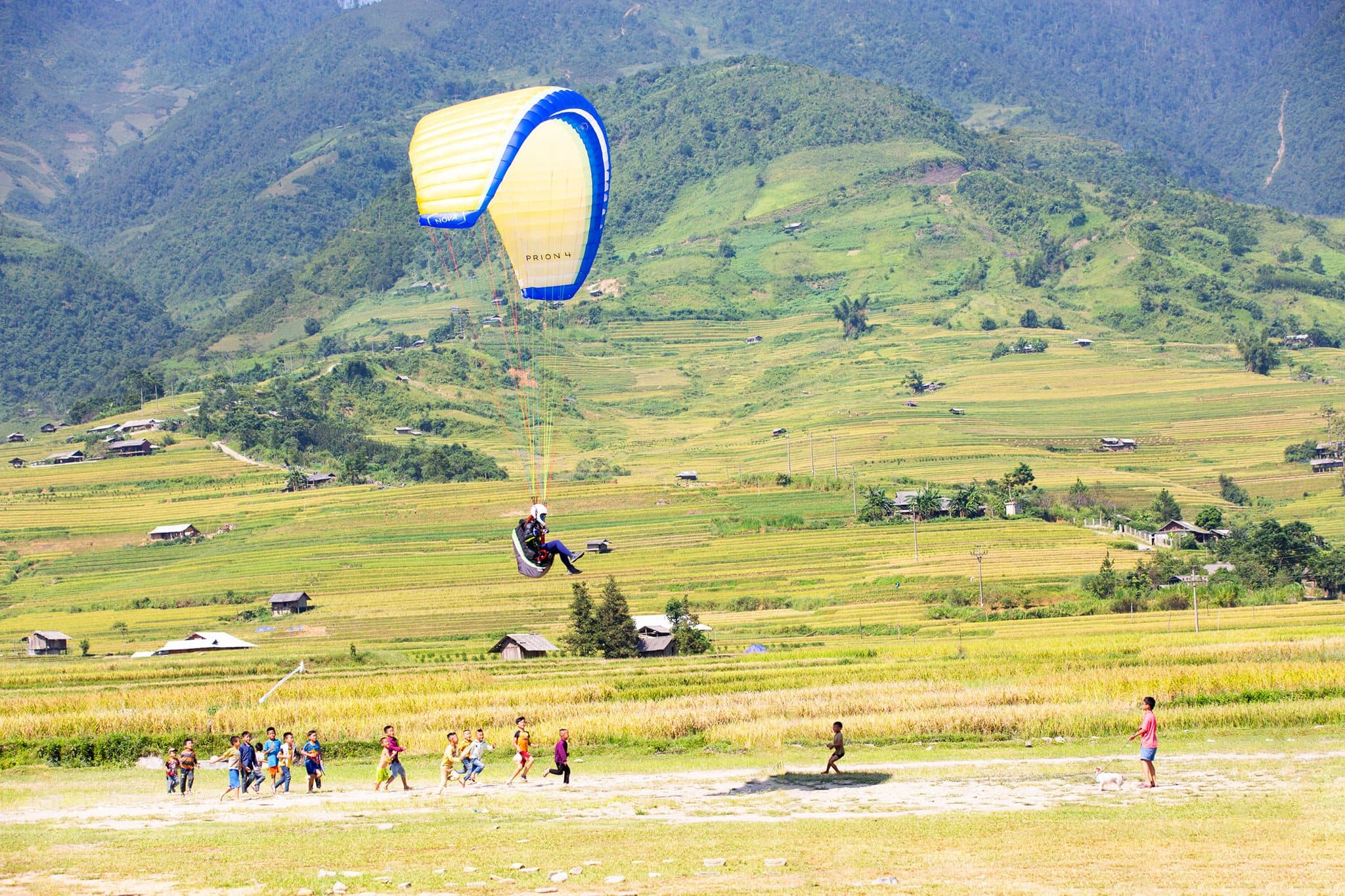
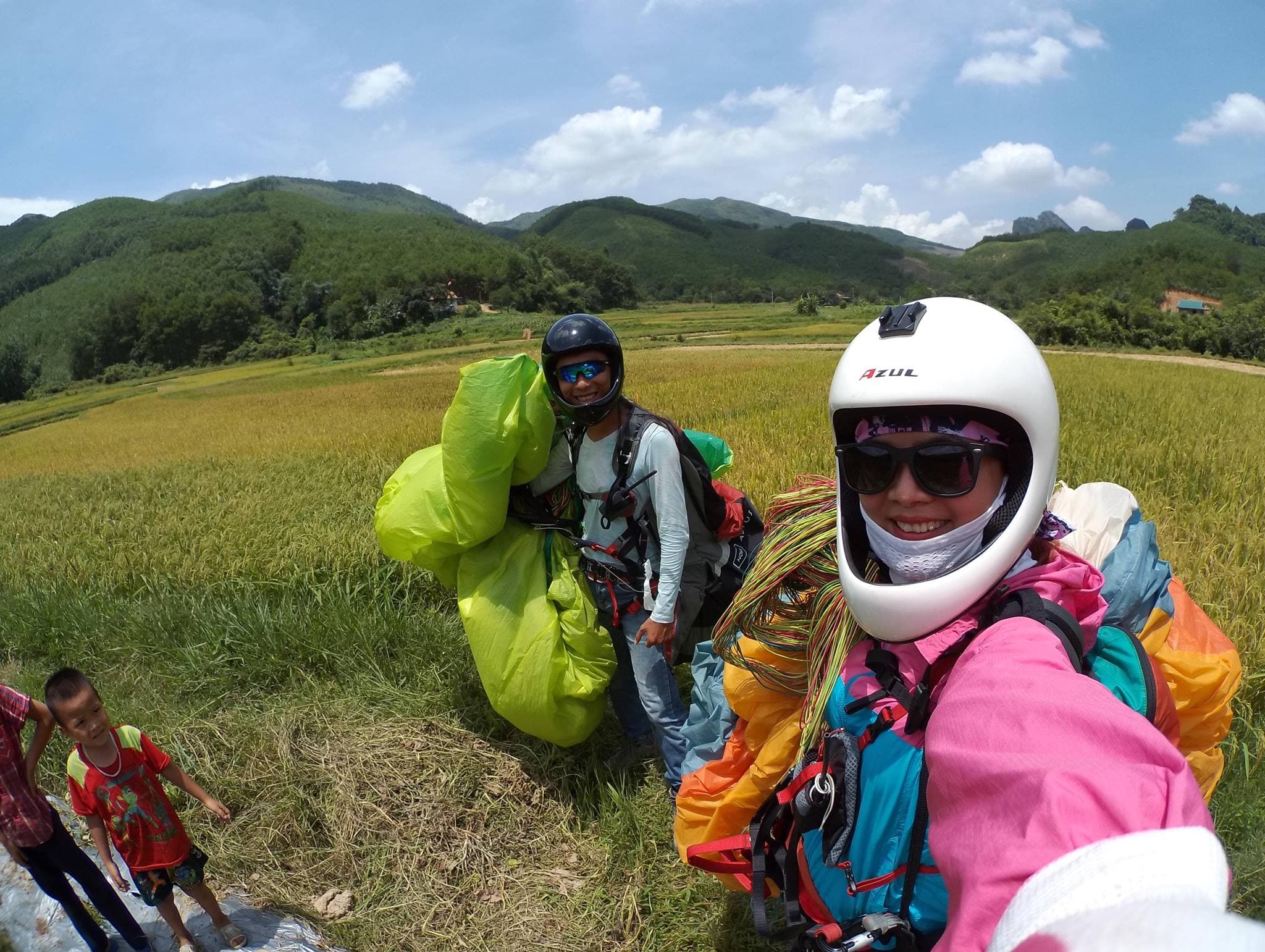
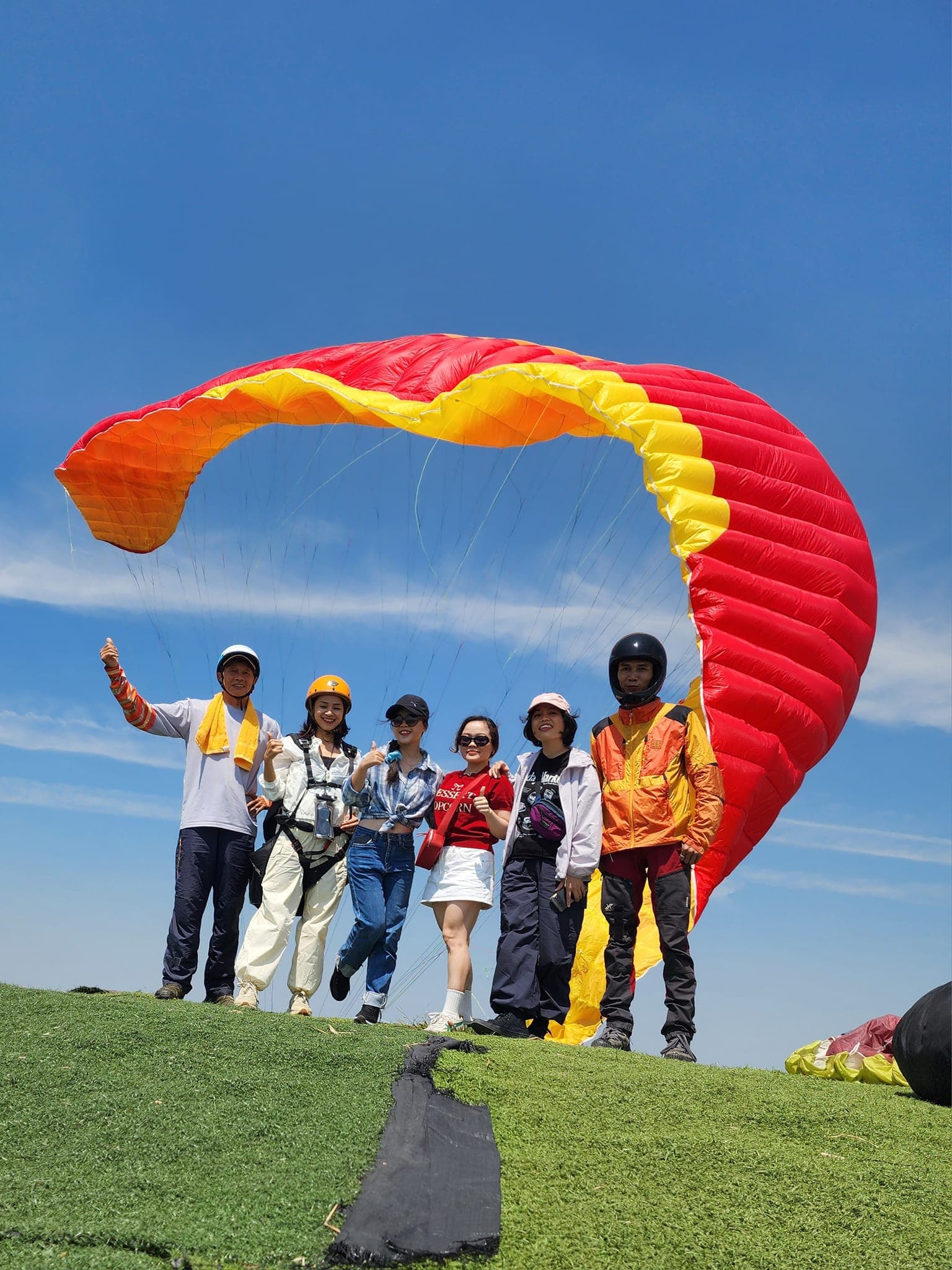
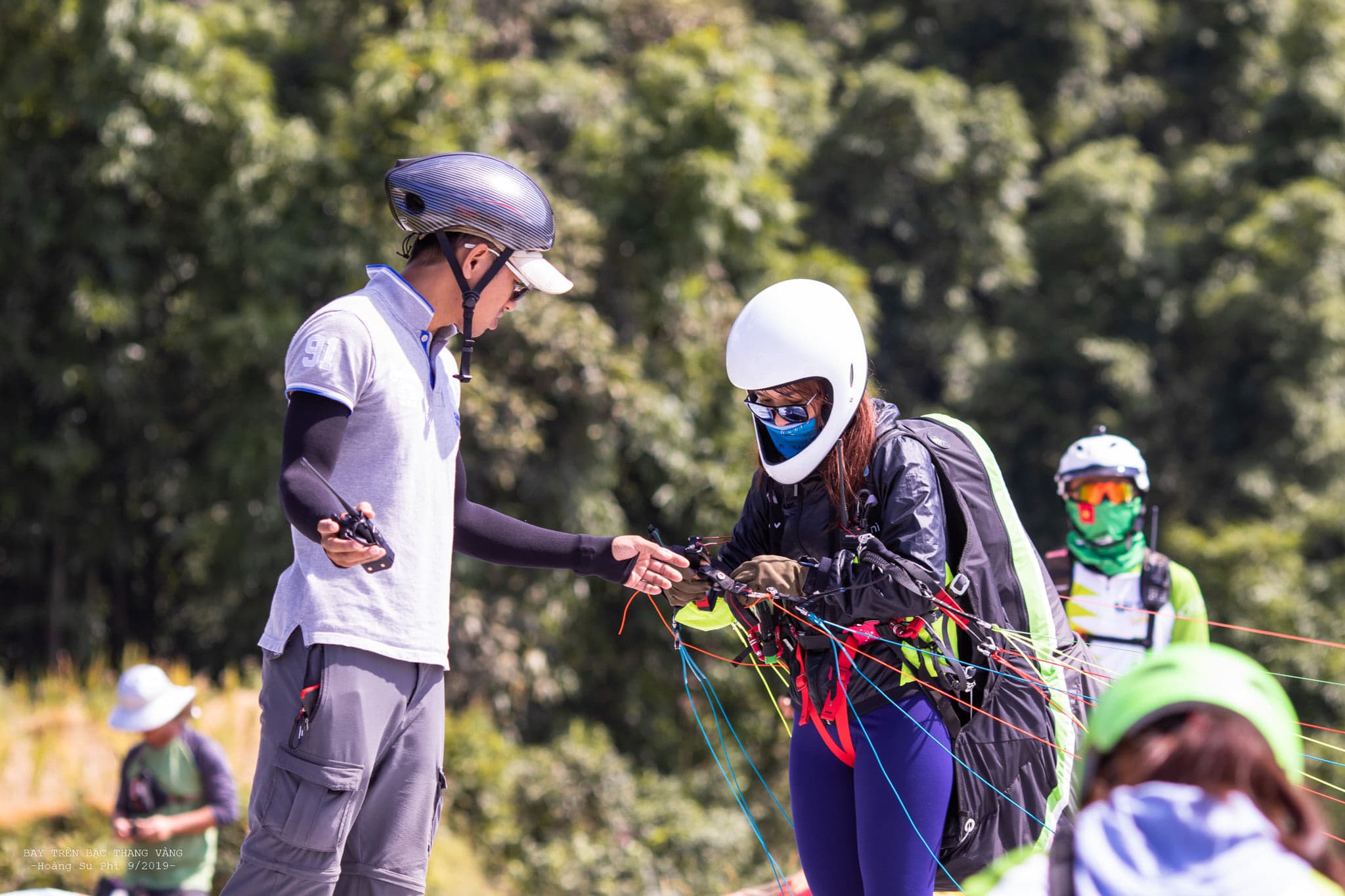
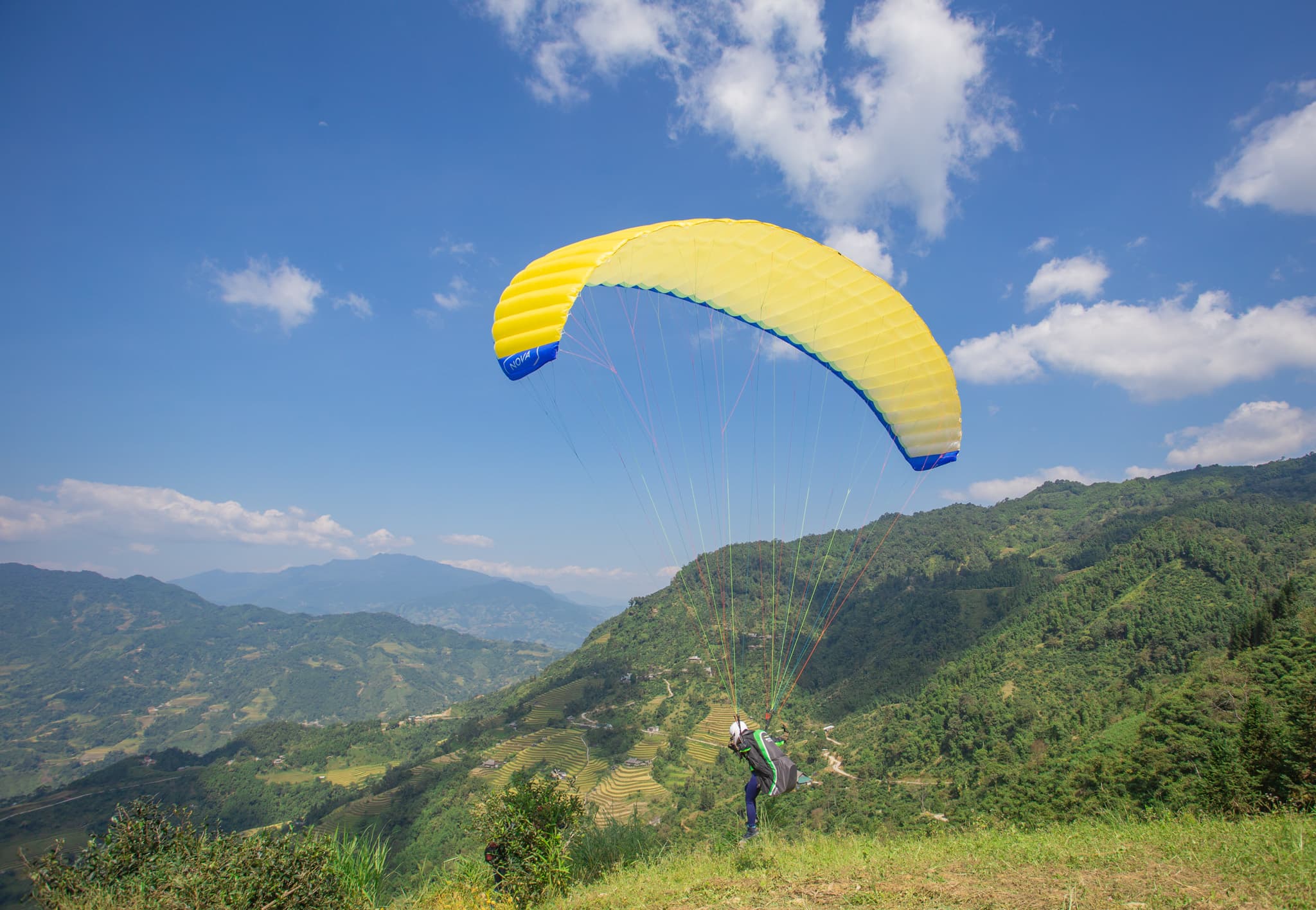
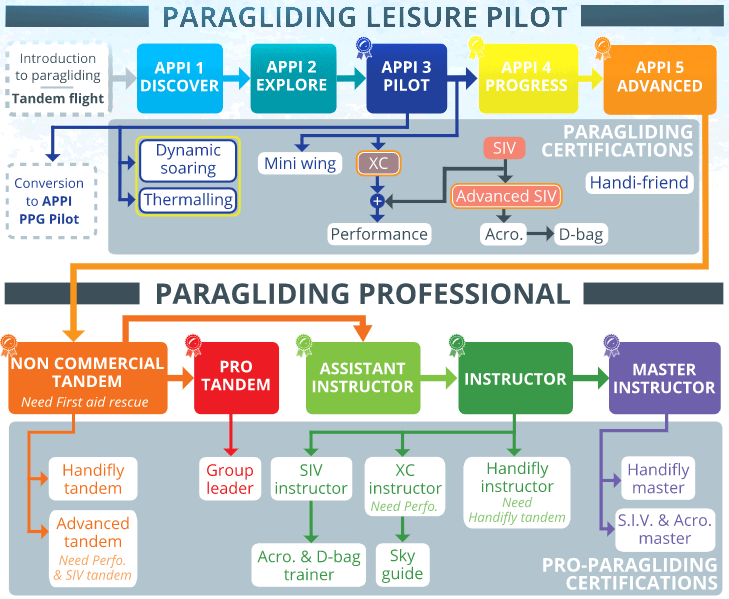


I'll get straight to the questions almost every beginner has when first getting into this sport. ✦ 1. Beginners often don't know where to start This is a very common situation. A s…

The Second SIV Course at Núi Cốc Lake — Learning to Recover When the Wing Stops Cooperating
SIV — Simulation d'Incident en Vol, the simulation of in-flight incidents — is the course where a pilot deliberately puts the wing into the very states they fear most, in order to…
29/07/2026
Guide to Buying Second-Hand Paragliding Gear
Buying second-hand paragliding gear saves money but carries risk. How to inspect the wing, lines, risers, harness and reserve before you pay.
27/07/2026
Atmosphere and Thermals – Part 4: Lift Inside a Thermal
How dust devils form and whether to fly them, ideal thermal conditions, how lift is distributed inside the core, and the sink around it.
27/07/2026
The Polar Curve: Understanding Glider Performance
The polar curve shows the speed at which your wing glides furthest. Which flight mode to use into wind, downwind and when crossing sink.
25/05/2026
Turbulence Part 3: Flying in Turbulence and the Lee Side
Whether to fly the lee side, why stable days are more dangerous than unstable ones, and how wind strength changes the turbulence you meet.
23/05/2026
Turbulence Part 2: How to Spot It in the Field
Spotting turbulence from the weather cycle and the terrain: coastlines, cliffs, summits, gullies, trees and wind shadows.
23/05/2026
🌪️ Turbulence - Part 1: Sources
Where does turbulence come from and why must a paraglider pilot understand it? Part 1 covers its nature and four sources: obstacles, thermals, shear and rotors.
23/05/2026
Atmosphere and Thermals – Part 3: How Thermals Rise
The lapse rate decides how high a thermal climbs. Part 3 covers real lapse rates, how thermals form, and how they change with altitude.
22/05/2026
Atmosphere and Thermals – Part 2: Thermal Sources
Which surfaces produce strong thermals, the daily thermal cycle, albedo, and how to spot trigger points in the field.
21/05/2026
Atmosphere and Thermals – Part 1: How Thermals Form
How a thermal is born, what triggers it, where thermal sources sit, and why some spots produce reliable lift day after day.
20/05/2026
The Reverse Launch: Three Common Brake-Handling Methods
The reverse launch and its three brake-handling methods: crossed brakes, Mistos and three-axis — what each is good for and the mistakes pilots make.
16/05/2026
The Forward (Alpine) Launch Technique
The forward launch, used in light wind and for paramotors: how to run, the common errors that pull the wing off line, and tips for a clean launch.
16/05/2026
🪂 Hold the Brakes: Connecting the Pilot to the Wing
How you hold the brakes decides whether you can feel the wing. A basic guide to brake handling technique for new paraglider pilots.
16/05/2026
Cloud Types Every Paraglider Pilot Should Know
Recognising cap, banner, rotor, lenticular and mammatus clouds — and what they tell you about wind, lift, turbulence and coming rain.
15/05/2026
Avoiding Blow-Back Behind the Hill
Being blown back can mean power lines, severe rotor or a serious accident. How to spot rising wind and keep a safe margin from the face.
12/05/2026
Pre-flight Checks and Paragliding Launch Technique
The pre-flight check routine, inflating the wing, the control and acceleration phases, and the launch mistakes pilots make most often.
09/05/2026
🪂 Paragliding landing techniques
How to pick and commit to a landing field, the approach box, the S-approach, the final glide and the flare that puts you down safely.
07/05/2026
Active Flying Part 4: The Spiral Dive and How to Exit
The three phases of a spiral dive, its physical effects, the danger of a locked spiral, and how to exit safely in SIV training or an emergency.
06/05/2026
Active Flying Part 3: Handling Asymmetric and Frontal Collapses
What causes a collapse, how to recognise and handle asymmetric and frontal collapses and their complications, and why SIV training matters.
05/05/2026
Active Flying Part 2: Controlling and Damping Roll
What causes the wing to roll, how to control it with weight shift and brakes, damping technique, and safe conditions to practise in.
29/04/2026
A complete guide for pilots new to Khau Pha: reading the three main wind scenarios from the launch and landing windsocks, where the lift and the rotor sit in each, recommended flight lines and handling technique.
21/08/2026

Paraglider Structure, Materials and Maintenance
What wings, lines and harnesses are made of, how long they last, how to store them properly and when to send them for repair.
12/05/2026
P1 – P2 Paragliding Course for Complete Beginners
I'll get straight to the questions almost every beginner has when first getting into this sport. ✦ 1. Beginners often don't know where to start This is a very common situation. A s…
08/04/2026
Choosing Your First Paragliding Gear
Picking the right wing class, harness and reserve as a new pilot: certification level, flying style, reserve sizing, maintenance, new versus used.
22/06/2026
Wing Loading Explained: How to Choose the Right Paraglider Size
Two pilots borrow the same glider. The 62 kg pilot launches and finds the wing feather-light — weak thermals are workable, but any headwind pushes her backwards. The 88 kg pilot fl…
01/08/2026
The Second SIV Course at Núi Cốc Lake — Learning to Recover When the Wing Stops Cooperating
SIV — Simulation d'Incident en Vol, the simulation of in-flight incidents — is the course where a pilot deliberately puts the wing into the very states they fear most, in order to…
29/07/2026
Guide to Buying Second-Hand Paragliding Gear
Buying second-hand paragliding gear saves money but carries risk. How to inspect the wing, lines, risers, harness and reserve before you pay.
27/07/2026
Atmosphere and Thermals – Part 4: Lift Inside a Thermal
How dust devils form and whether to fly them, ideal thermal conditions, how lift is distributed inside the core, and the sink around it.
27/07/2026
The Polar Curve: Understanding Glider Performance
The polar curve shows the speed at which your wing glides furthest. Which flight mode to use into wind, downwind and when crossing sink.
25/05/2026
Turbulence Part 3: Flying in Turbulence and the Lee Side
Whether to fly the lee side, why stable days are more dangerous than unstable ones, and how wind strength changes the turbulence you meet.
23/05/2026
Turbulence Part 2: How to Spot It in the Field
Spotting turbulence from the weather cycle and the terrain: coastlines, cliffs, summits, gullies, trees and wind shadows.
23/05/2026
🌪️ Turbulence - Part 1: Sources
Where does turbulence come from and why must a paraglider pilot understand it? Part 1 covers its nature and four sources: obstacles, thermals, shear and rotors.
23/05/2026
Atmosphere and Thermals – Part 3: How Thermals Rise
The lapse rate decides how high a thermal climbs. Part 3 covers real lapse rates, how thermals form, and how they change with altitude.
22/05/2026
Atmosphere and Thermals – Part 2: Thermal Sources
Which surfaces produce strong thermals, the daily thermal cycle, albedo, and how to spot trigger points in the field.
21/05/2026
Atmosphere and Thermals – Part 1: How Thermals Form
How a thermal is born, what triggers it, where thermal sources sit, and why some spots produce reliable lift day after day.
20/05/2026
The Reverse Launch: Three Common Brake-Handling Methods
The reverse launch and its three brake-handling methods: crossed brakes, Mistos and three-axis — what each is good for and the mistakes pilots make.
16/05/2026
The Forward (Alpine) Launch Technique
The forward launch, used in light wind and for paramotors: how to run, the common errors that pull the wing off line, and tips for a clean launch.
16/05/2026
🪂 Hold the Brakes: Connecting the Pilot to the Wing
How you hold the brakes decides whether you can feel the wing. A basic guide to brake handling technique for new paraglider pilots.
16/05/2026
Cloud Types Every Paraglider Pilot Should Know
Recognising cap, banner, rotor, lenticular and mammatus clouds — and what they tell you about wind, lift, turbulence and coming rain.
15/05/2026
Avoiding Blow-Back Behind the Hill
Being blown back can mean power lines, severe rotor or a serious accident. How to spot rising wind and keep a safe margin from the face.
12/05/2026
Pre-flight Checks and Paragliding Launch Technique
The pre-flight check routine, inflating the wing, the control and acceleration phases, and the launch mistakes pilots make most often.
09/05/2026
🪂 Paragliding landing techniques
How to pick and commit to a landing field, the approach box, the S-approach, the final glide and the flare that puts you down safely.
07/05/2026
Active Flying Part 4: The Spiral Dive and How to Exit
The three phases of a spiral dive, its physical effects, the danger of a locked spiral, and how to exit safely in SIV training or an emergency.
06/05/2026
Active Flying Part 3: Handling Asymmetric and Frontal Collapses
What causes a collapse, how to recognise and handle asymmetric and frontal collapses and their complications, and why SIV training matters.
05/05/2026
Active Flying Part 2: Controlling and Damping Roll
What causes the wing to roll, how to control it with weight shift and brakes, damping technique, and safe conditions to practise in.
29/04/2026