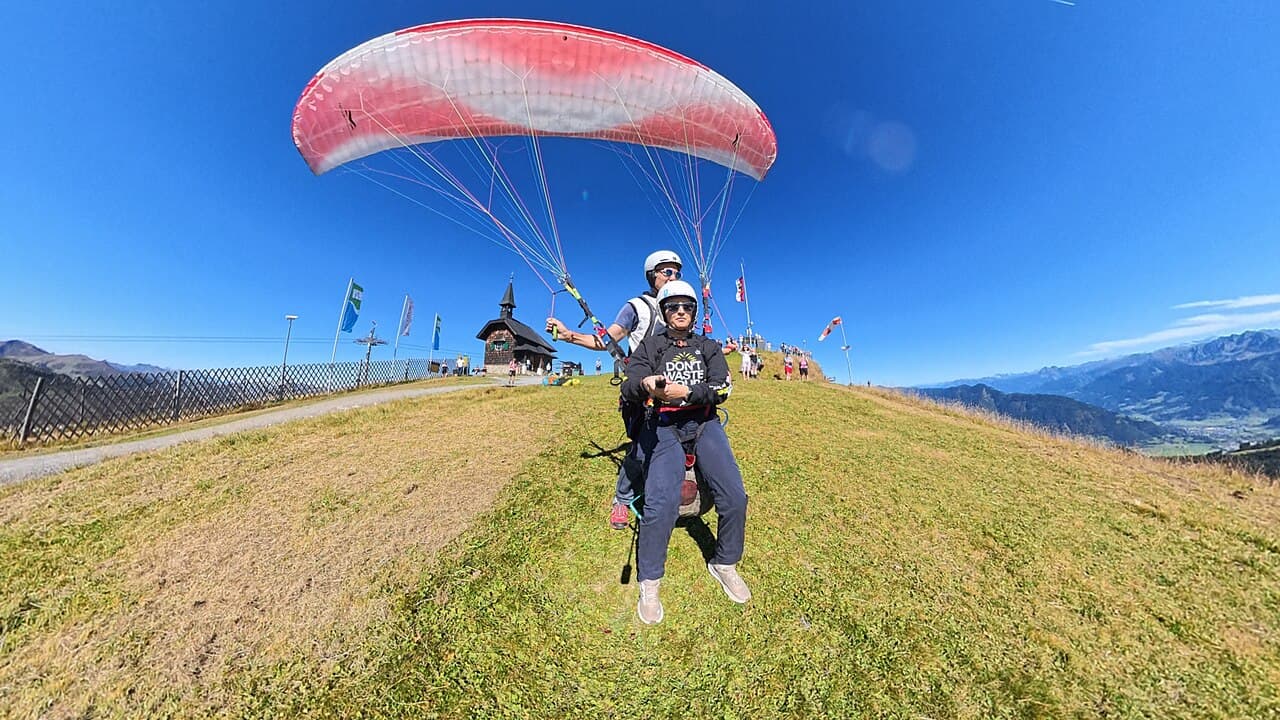
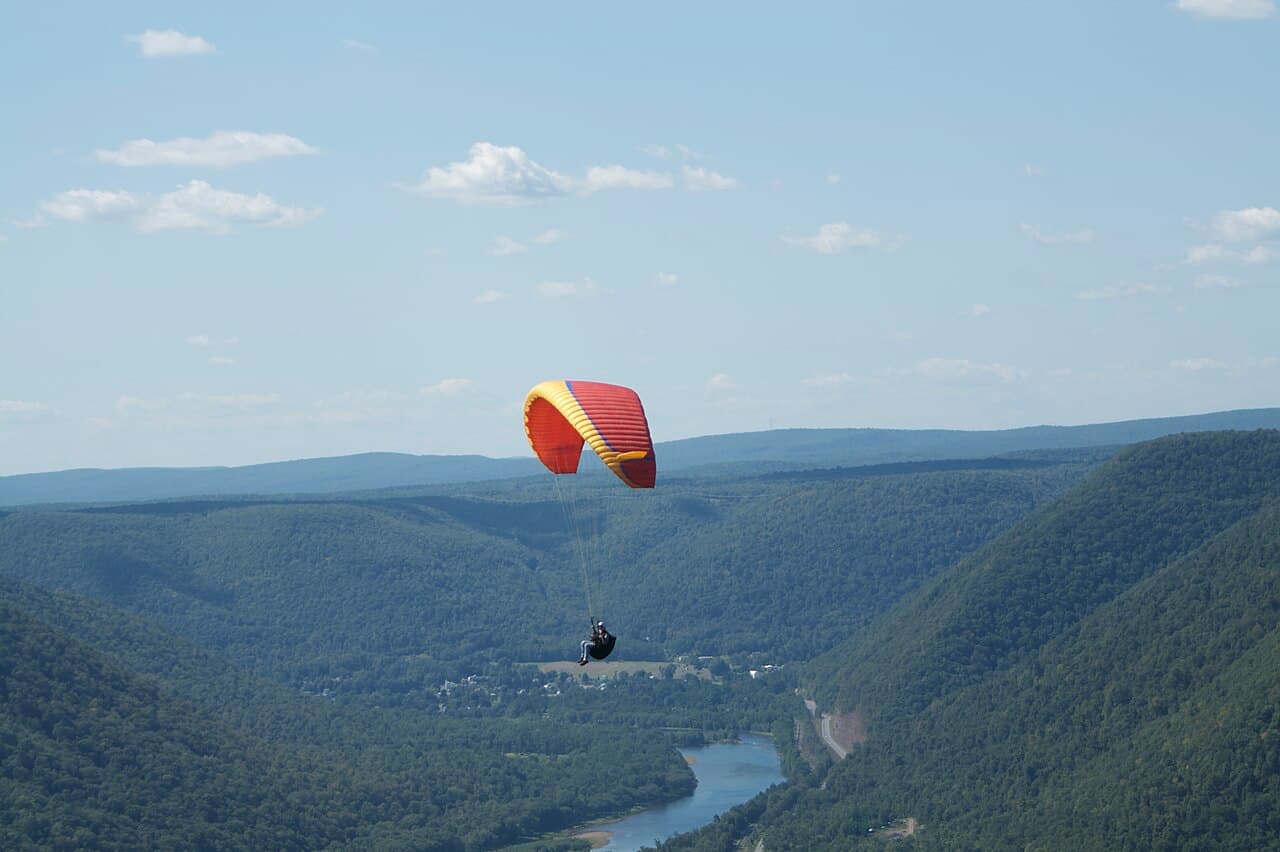
They all fly, but an Airbus, a paraglider, a powered paraglider (PPG) and a drone sit in very different legal "drawers". The drawer decides whether the vehicle needs technical certification, what licence the pilot needs and which agency is in charge. This article puts paragliders and PPG in the right drawer – under international standards and under Vietnamese law.
1. The international standard: how ICAO classifies flying machines
The International Civil Aviation Organization (ICAO), in Annex 7, classifies aircraft by two questions: lighter or heavier than air, and powered or not.
| Non-power-driven | Power-driven | |
|---|---|---|
| Lighter than air | Free balloon, captive balloon | Airship |
| Heavier than air | Glider, kite | Aeroplane, helicopter and other rotorcraft, ornithopter |
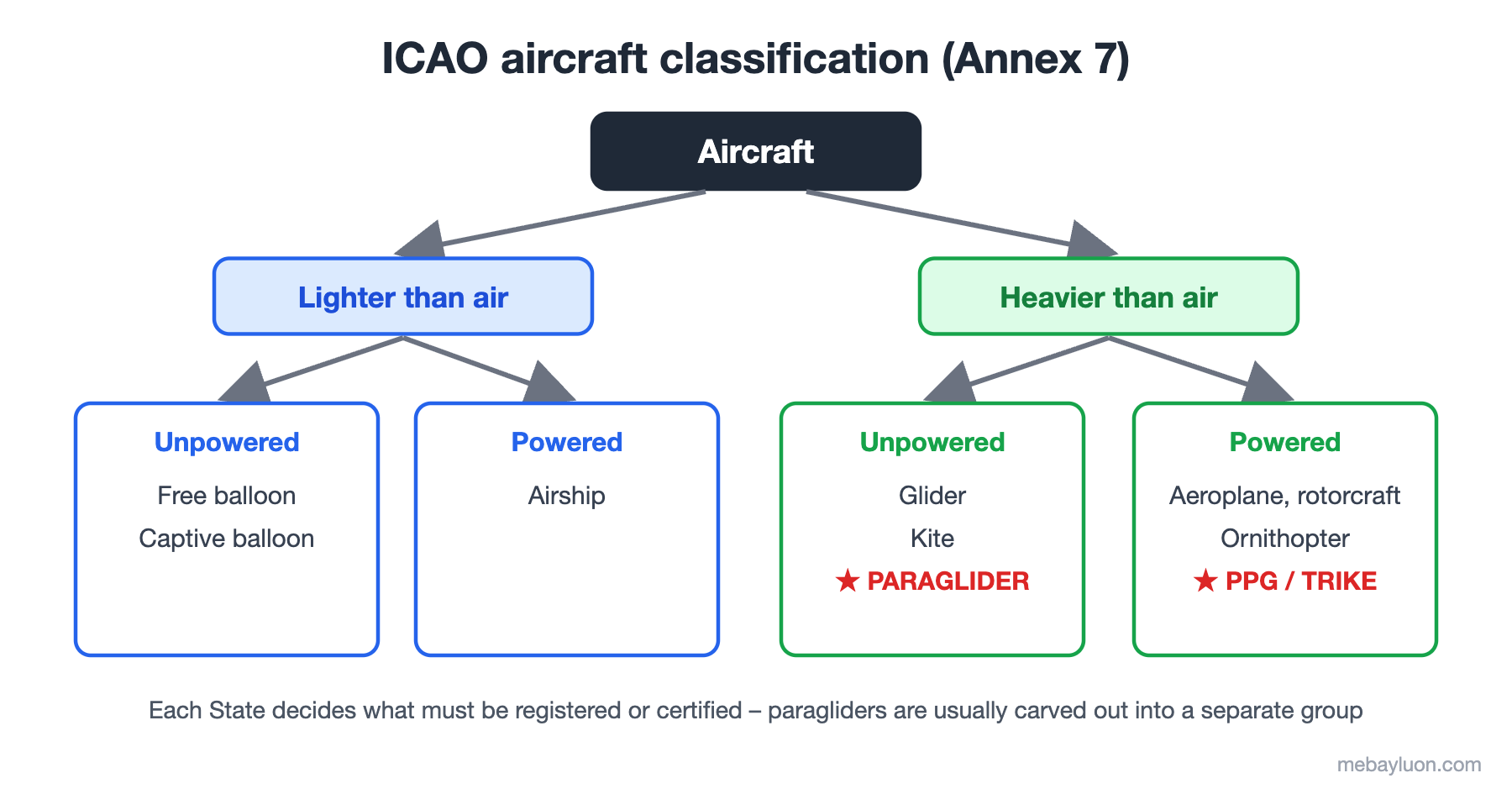

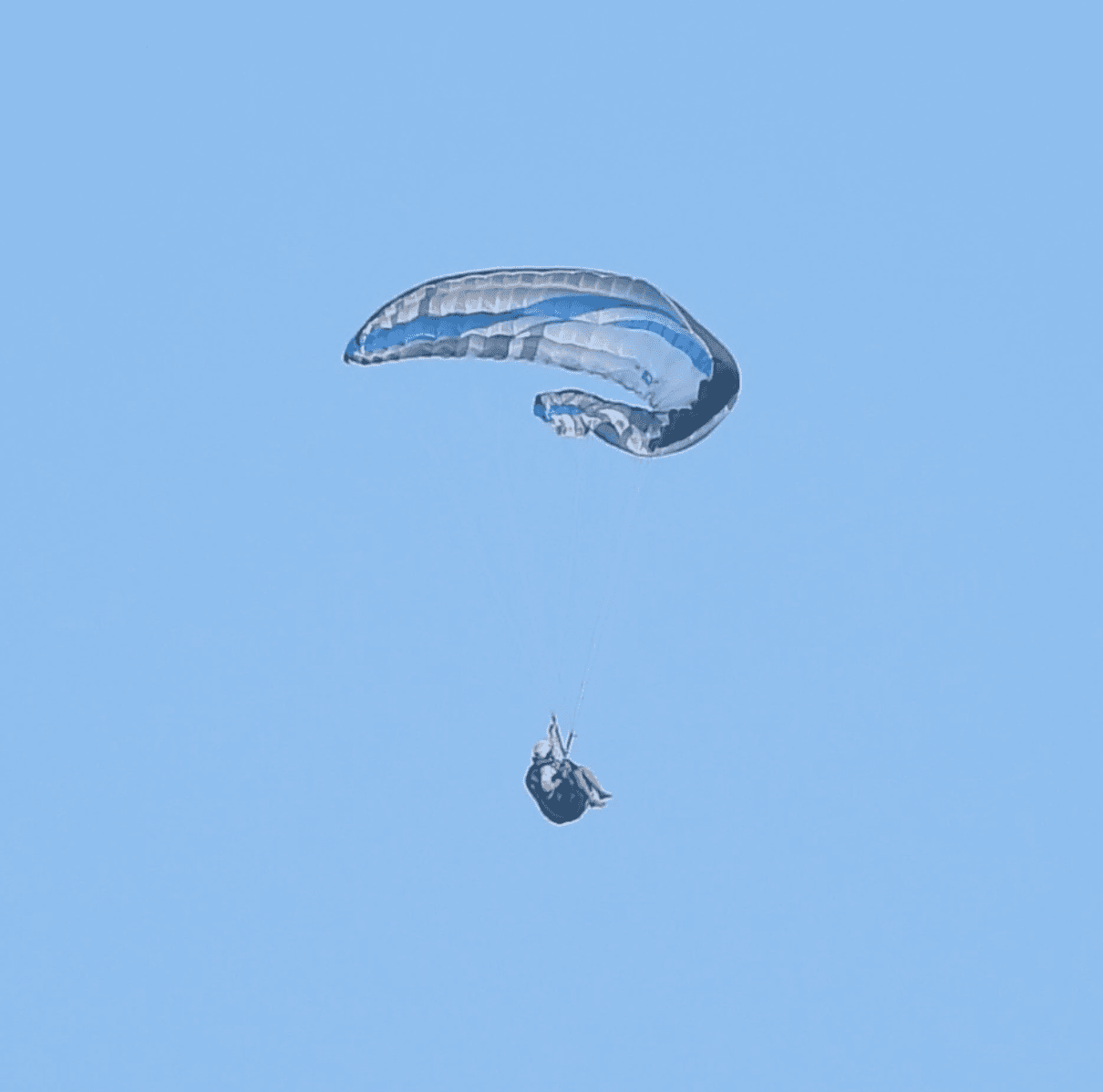
On this scheme a paraglider is a glider – heavier than air, unpowered, flying on thermals and ridge lift. A powered paraglider moves to the heavier-than-air, power-driven box.
But ICAO only sets the frame. Whether a particular vehicle must be registered or certified is decided by each State, and almost every country carves very light vehicles out into a separate group.

2. Where other countries put paragliders and PPG
| System | Paraglider | Powered paraglider (PPG) |
|---|---|---|
| USA – FAA Part 103 (ultralight vehicles) | Unpowered ultralight: empty weight under 155 lb (~70 kg) | Powered ultralight: empty weight under 254 lb (~115 kg), max 5 US gallons of fuel, max 55 kt, power-off stall no more than 24 kt |
| European Union – EASA (Regulation 2018/1139, Annex I) | Outside EASA's scope (manned aircraft with a maximum empty mass including fuel of no more than 70 kg); regulated nationally | Usually in each country's microlight/ULM group |
| France | Free flight (vol libre), with the FFVL federation in charge of standards | ULM class 1 – paramoteur |
| FAI (World Air Sports Federation – competition rules) | Section 7 – class O (hang gliders and paragliders) | Section 10 – class R (microlights and paramotors): PF1, PF2 (foot-launched solo/tandem), PL1, PL2 (wheeled trike solo/tandem) |

The common thread: in most countries paragliders and PPG are not "aircraft" in the sense of needing an airworthiness certificate. In the US, Part 103 states plainly that ultralights need no airworthiness certification, no registration and no FAA pilot certificate – training is left to associations such as USHPA and USPPA. In Europe, national federations (DHV in Germany, FFVL in France) issue licences and wing standards (EN 926, LTF).
3. How Vietnam classifies them
The old system: "ultralight flying vehicles" (2008–2025)
Decree 36/2008/NĐ-CP had two groups: unmanned aircraft and ultralight flying vehicles – balloons and "flying models" (powered gliders, parachute-wings, kites). The Operations Department of the General Staff issued flight permits. That is why many people still call paragliders "ultralight flying vehicles".
The current system: People's Air Defence Law 2024
The People's Air Defence Law 2024 (in force 1 July 2025) and Decree 288/2025/NĐ-CP (in force 5 November 2025) divide what flies in Vietnamese airspace into:
| Group | What it is | Main law |
|---|---|---|
| Aircraft (civil, military) | Aeroplanes and helicopters with a pilot on board | Civil Aviation Law; military rules |
| Unmanned aircraft | Controlled without a pilot on board: drones, agricultural drones | Air Defence Law, Decree 288/2025 |
| Other flying vehicles | "Balloons, model aircraft, parachute-wings, kites (except folk kites) and other flying devices, with or without an operator, that are not aircraft or unmanned aircraft" | Air Defence Law, Decree 288/2025 |
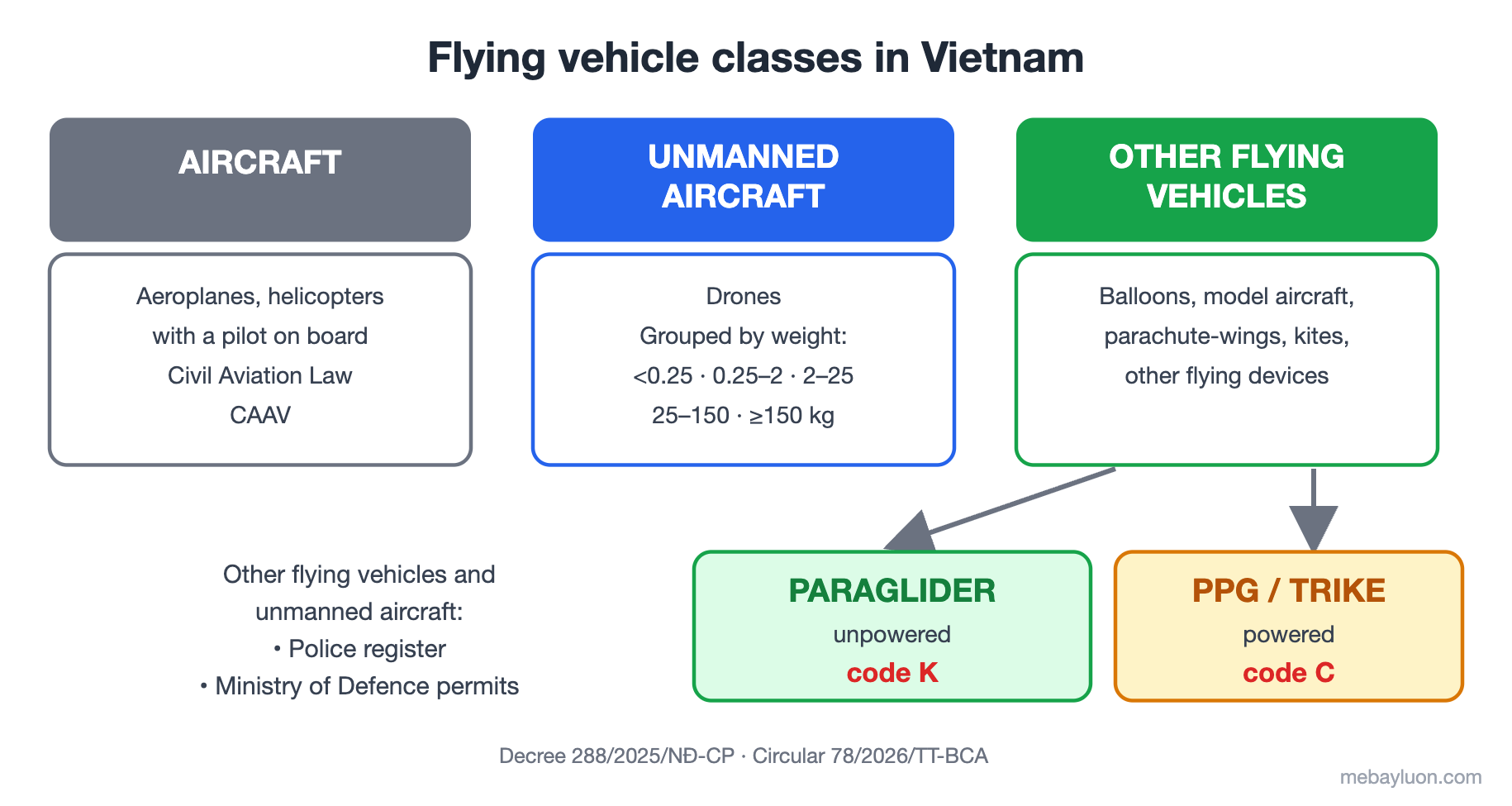
Decree 288/2025 then classifies:
- Unmanned aircraft by maximum take-off weight: under 0.25 kg; 0.25 to under 2 kg; 2 to under 25 kg; 25 to under 150 kg; 150 kg and above; and by control method (line of sight / observed via equipment) and purpose.
- Other flying vehicles by powered or unpowered and with or without a person directly in control.
Circular 78/2026/TT-BCA (in force 20 July 2026) writes this into the identification number: K for unpowered vehicles, C for powered vehicles.

4. Where paragliders and powered paragliders sit
| Paraglider | Powered paraglider (PPG, trike) | |
|---|---|---|
| ICAO | Glider (heavier than air, unpowered) | Heavier than air, powered |
| USA | Unpowered ultralight (Part 103) | Powered ultralight (Part 103) |
| FAI | Section 7, class O | Section 10, class R (PF1/PF2/PL1/PL2) |
| Vietnam | Other flying vehicle – unpowered – with an operator (code K) | Other flying vehicle – powered – with an operator (code C) |

The key point: in Vietnam a paraglider is not an aircraft under the Civil Aviation Law and not an unmanned aircraft. So it is not registered with the Civil Aviation Authority and needs no airworthiness certificate like an aeroplane – but it sits inside the air defence system led by the Ministry of National Defence, which is stricter than in many countries.

5. Who manages paragliders and PPG in Vietnam
- Ministry of National Defence – state management of air defence and airspace, flight permits (Operations Department of the General Staff), technical standards, neutralising illegal flying vehicles.
- Ministry of Public Security – registration and identification numbers (provincial Police for individuals and local organisations), enforcement.
- People's Committees – local management, approving imports of flying vehicles, rescue coordination.
- Culture and sports authorities – for paragliding businesses (commercial tandem, training), the provincial Department of Culture, Sports and Tourism issues the eligibility certificate under Circular 06/2018/TT-BVHTTDL.
- Civil Aviation Authority of Vietnam – does not manage paragliders as aircraft, but manages the airports, airways and controlled airspace that paragliders must avoid.
Compared with Europe or the US, where paragliding is largely self-regulated by sports federations, in Vietnam paragliding is managed directly by the armed forces: register with the Police, get flight permits from the Army. Knowing the right drawer helps pilots, clubs and site operators go to the right office – and explain to guests why every flight needs a permit.
References
- ICAO Annex 7 – Aircraft Nationality and Registration Marks: aircraft classification table.
- 14 CFR Part 103 – Ultralight Vehicles (FAA)
- Regulation (EU) 2018/1139 – EASA Basic Regulation; IAA – aircraft not affected by EASA regulations
- FAI – Paramotor classes (Section 10)
- People's Air Defence Law 2024, No. 49/2024/QH15
- Decree 288/2025/NĐ-CP; classification summary – Viet An Law
- Decree 36/2008/NĐ-CP on unmanned aircraft and ultralight flying vehicles
- Hung Yen Provincial Police – flying vehicle identification numbers
- Circular 06/2018/TT-BVHTTDL
Note: this article helps pilots understand the classification and does not replace the legal texts.