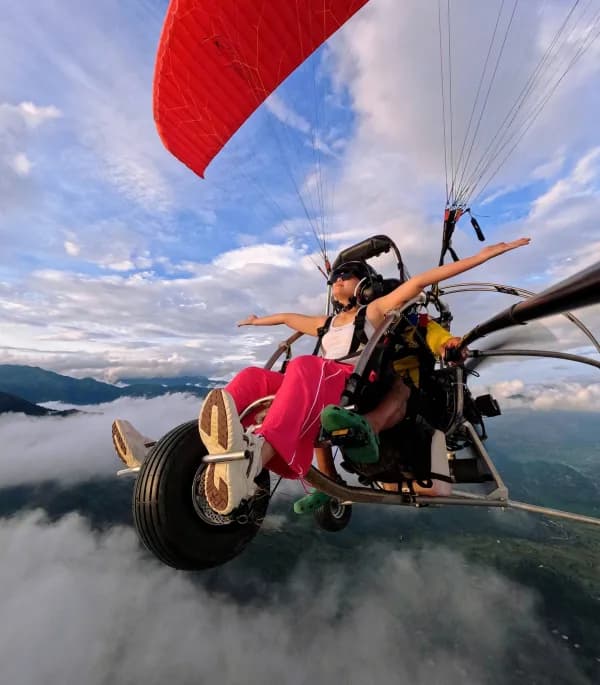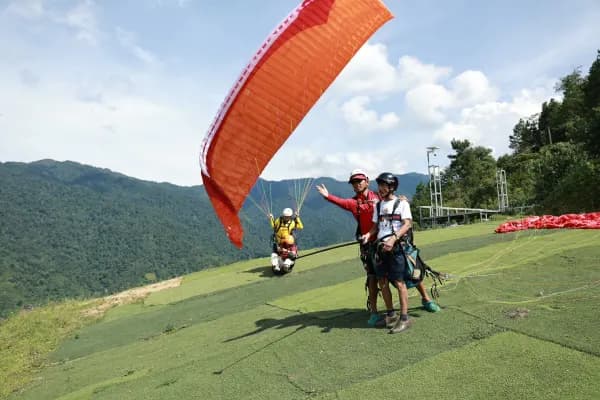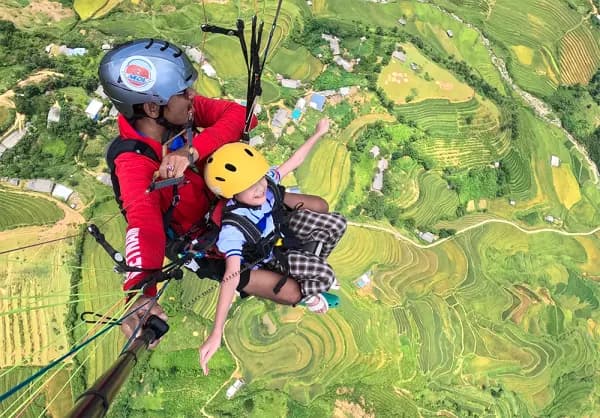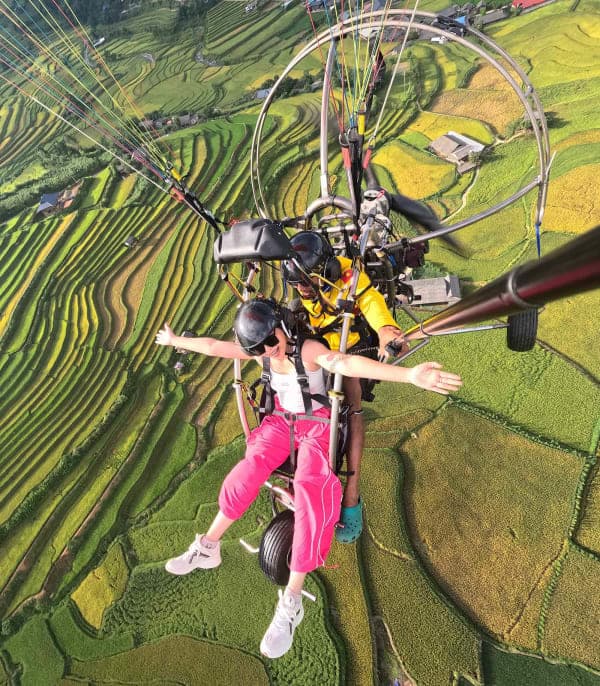
Watching colorful wings soaring high above mountains can look intimidating at first. However, modern paragliding is far safer than many people imagine when proper training, certified equipment, and suitable weather conditions are involved. Research on paragliding incidents shows that serious accidents are relatively uncommon, and most incidents are linked to pilot decisions or weather assessment rather than equipment failure. For tandem flights, where passengers fly with a professional pilot, the risk is significantly reduced because all flight operations are managed by an experienced tandem pilot. Historical accident summaries report relatively few tandem incidents compared to the large number of flights conducted every year.
🛡️ Why Is Paragliding Considered Safe?
🪂 Modern Equipment
Today's paragliders are built and tested under strict certification standards. Pilots also carry reserve parachutes, protective harnesses, helmets, and emergency equipment.
👨✈️ Professional Training
Licensed tandem pilots undergo extensive training and flight-hour requirements before carrying passengers. Many countries also require SIV courses to prepare pilots for unusual flight situations.
🌤️ Weather Assessment
Every flight depends on weather conditions. Wind speed, wind direction, cloud development, and thermal activity are carefully evaluated before takeoff. If conditions are unsuitable, flights are postponed or cancelled.
⚠️ What Are the Real Risks?
Like any outdoor adventure sport, paragliding carries some level of risk. International studies indicate that most injuries occur during takeoff or landing, especially when instructions are not followed correctly. Lower-leg and ankle injuries are among the most common. Common causes include: Unsuitable weather conditions Inexperienced pilots Poor safety procedures Inadequate equipment maintenance Misjudging terrain or wind conditions Choosing a reputable operator is therefore one of the most important safety decisions you can make.
😰 Is the First Flight Scary?
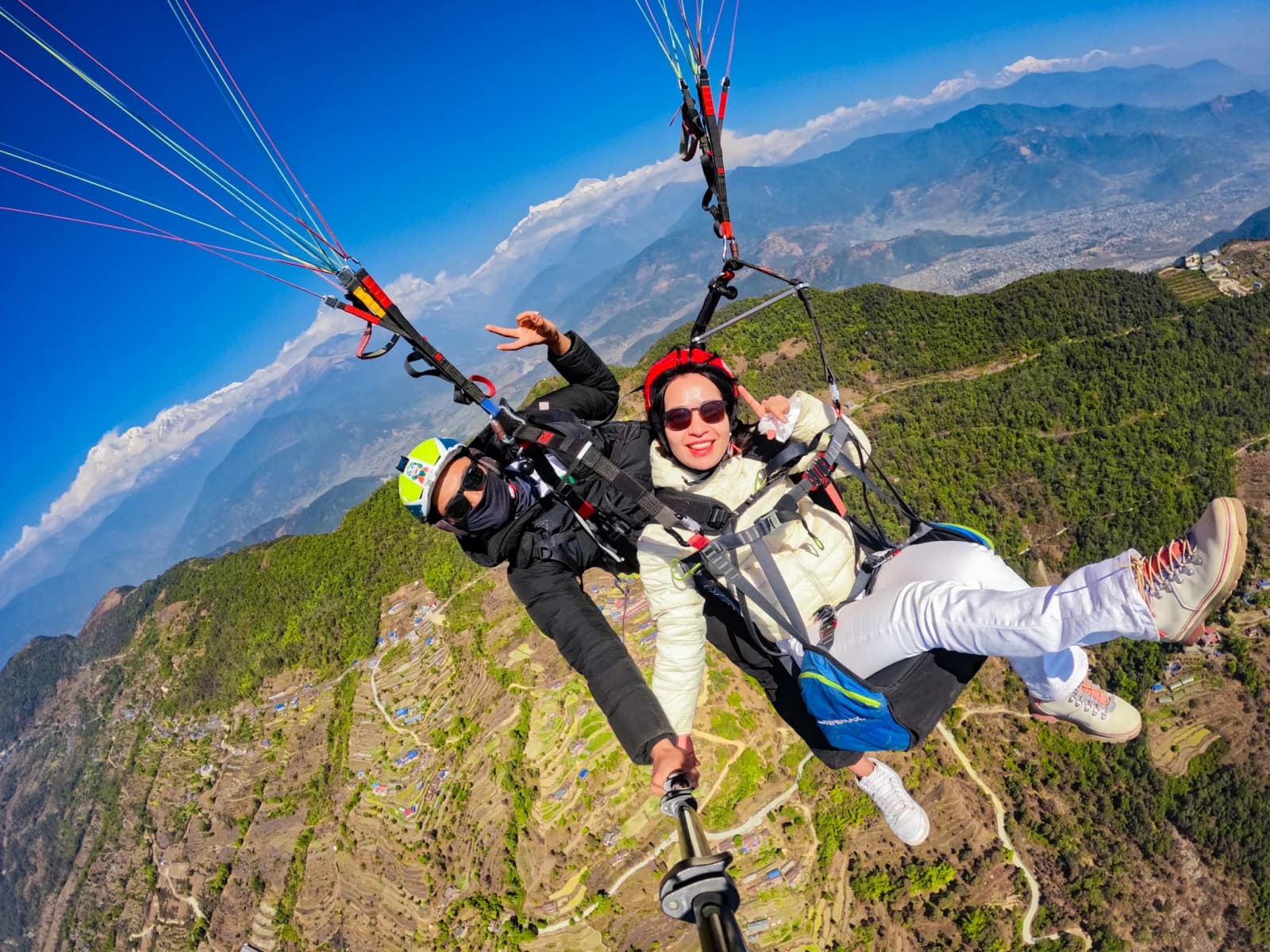
Most first-time passengers report feeling nervous before takeoff. Surprisingly, once airborne, that nervousness often turns into a feeling of calm and freedom. Unlike roller coasters or bungee jumping, paragliding does not create a constant free-fall sensation. Instead, it feels more like sitting comfortably in the sky while gliding smoothly over beautiful landscapes. That is why many older people, couples and even people who rarely do sport can still fly.
📍 Is paragliding in Hanoi, Sapa and Mu Cang Chai safe?
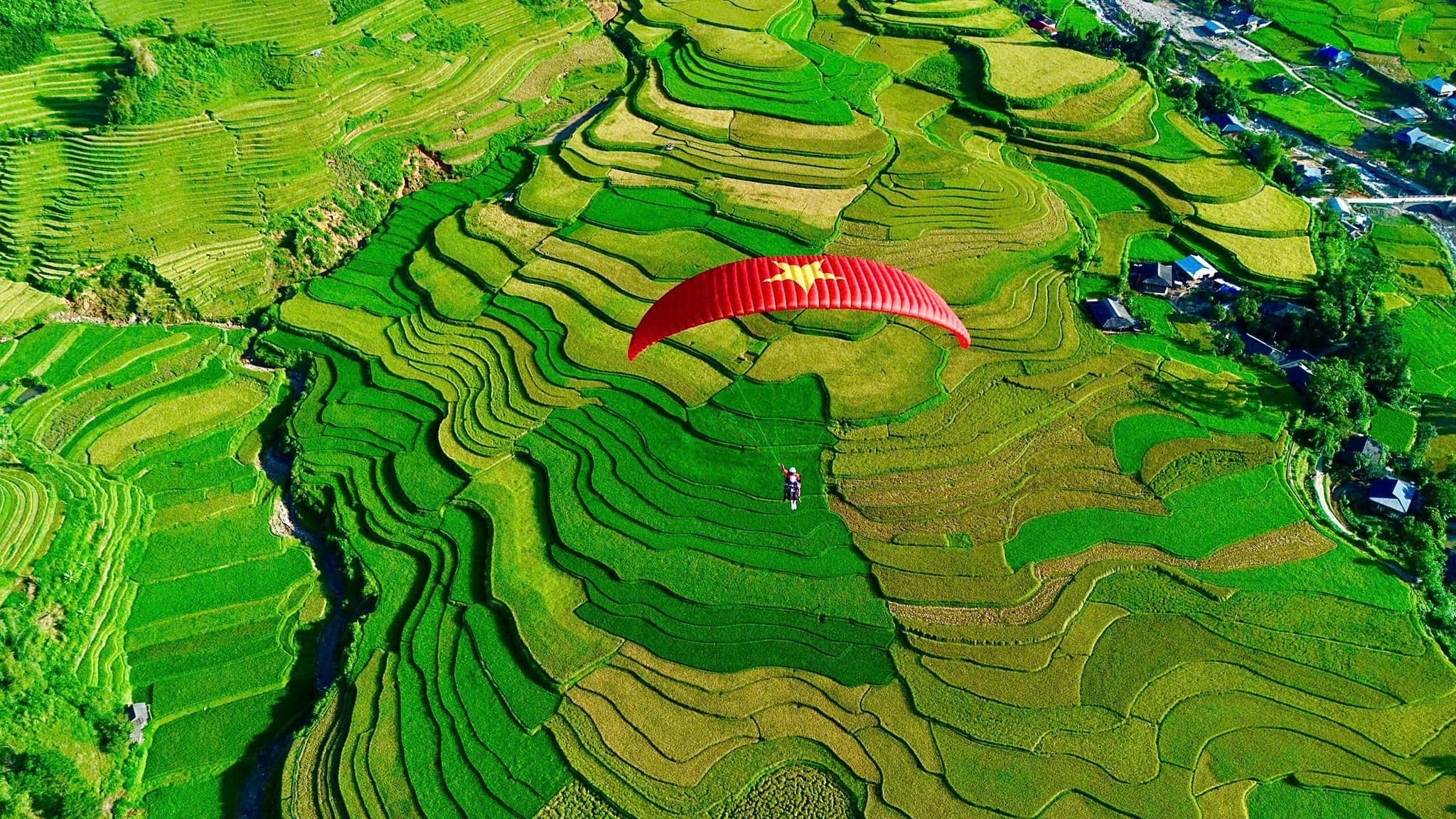
Mebayluon Paragliding offers tandem flights at several stunning locations in Vietnam: Hanoi Paragliding at Vien Nam Sapa Paragliding above Muong Hoa Valley Mu Cang Chai Golden Season Flights over world-famous rice terraces All flights are conducted only when weather conditions meet safety requirements. When the wind or weather is unsuitable, the flight is rescheduled rather than forced.
✅ So, is paragliding safe?
Yes—when operated by experienced pilots using certified equipment and proper safety procedures, paragliding is considered a safe adventure activity. Thousands of tandem flights are completed successfully around the world every year. For many people, paragliding becomes less about adrenaline and more about experiencing freedom, nature, and a perspective that few activities can offer.
👨👩👧 Which age groups can fly?
🔄 What if the weather turns, or something comes up?
Safety comes before the schedule. If conditions aren't right, the flight is postponed — and it costs you nothing. Every Mebayluon service can be refunded, cancelled or rescheduled free of charge, with no penalty in any case. You can also move your own booking if something comes up; we ask only that you tell us a few hours before departure so we can reassign pilots and transfers. In other words, you never have to choose between losing money and flying in conditions that aren't safe.
📋 The pre-flight check, step by step
Safety in paragliding does not come from one piece of equipment or one rule. It comes from a sequence of checks repeated identically before every single flight — even for pilots who have flown thousands of times. Here is the full routine at a Mebayluon flying site, in the order it actually happens.
The most important safety layer is the person flying with you. The public roster of all 16 pilots at Khau Pha — APPI/IPPI ratings, hours and tandem flight counts — is in Khau Pha paragliding pilots.