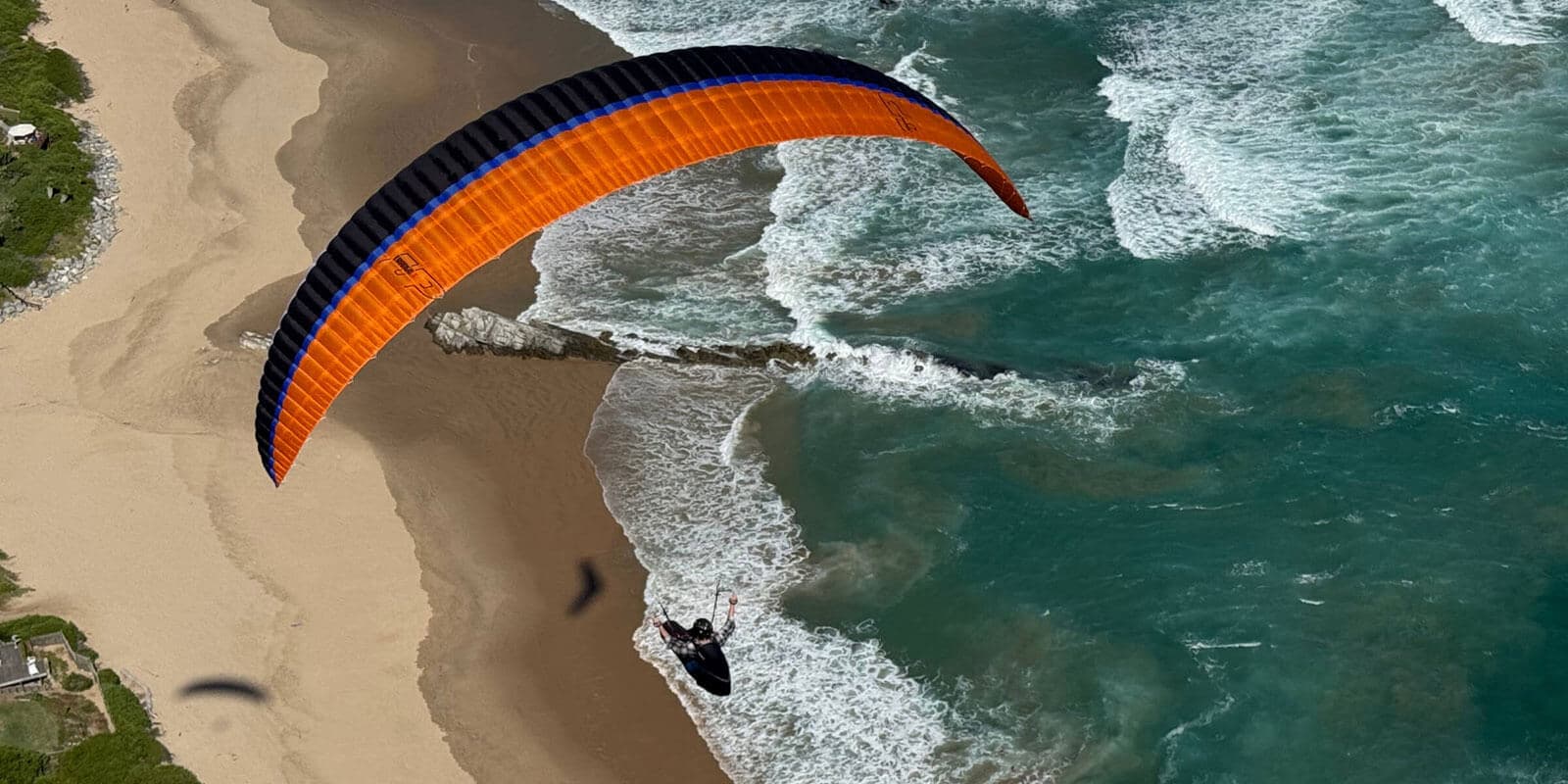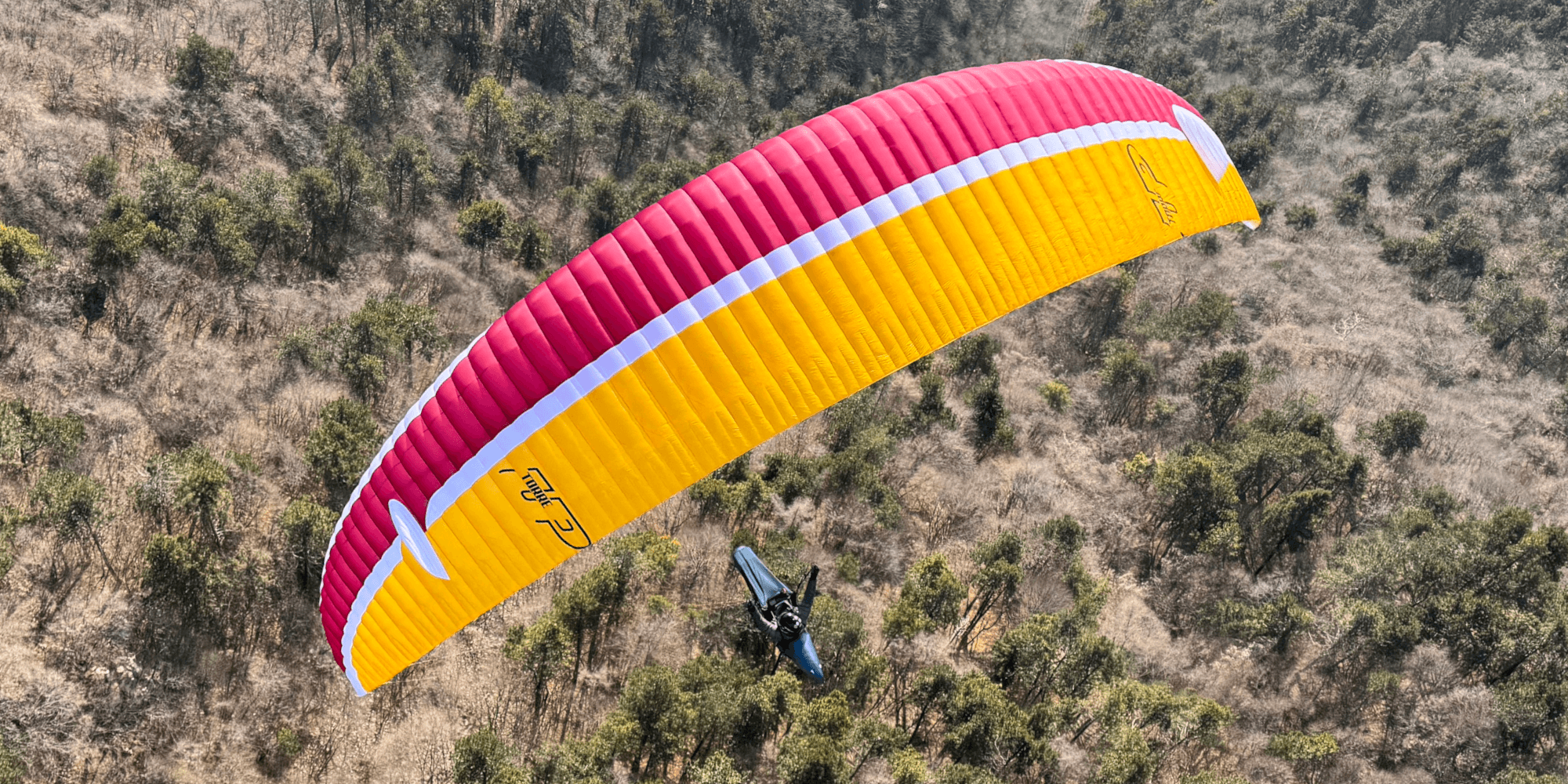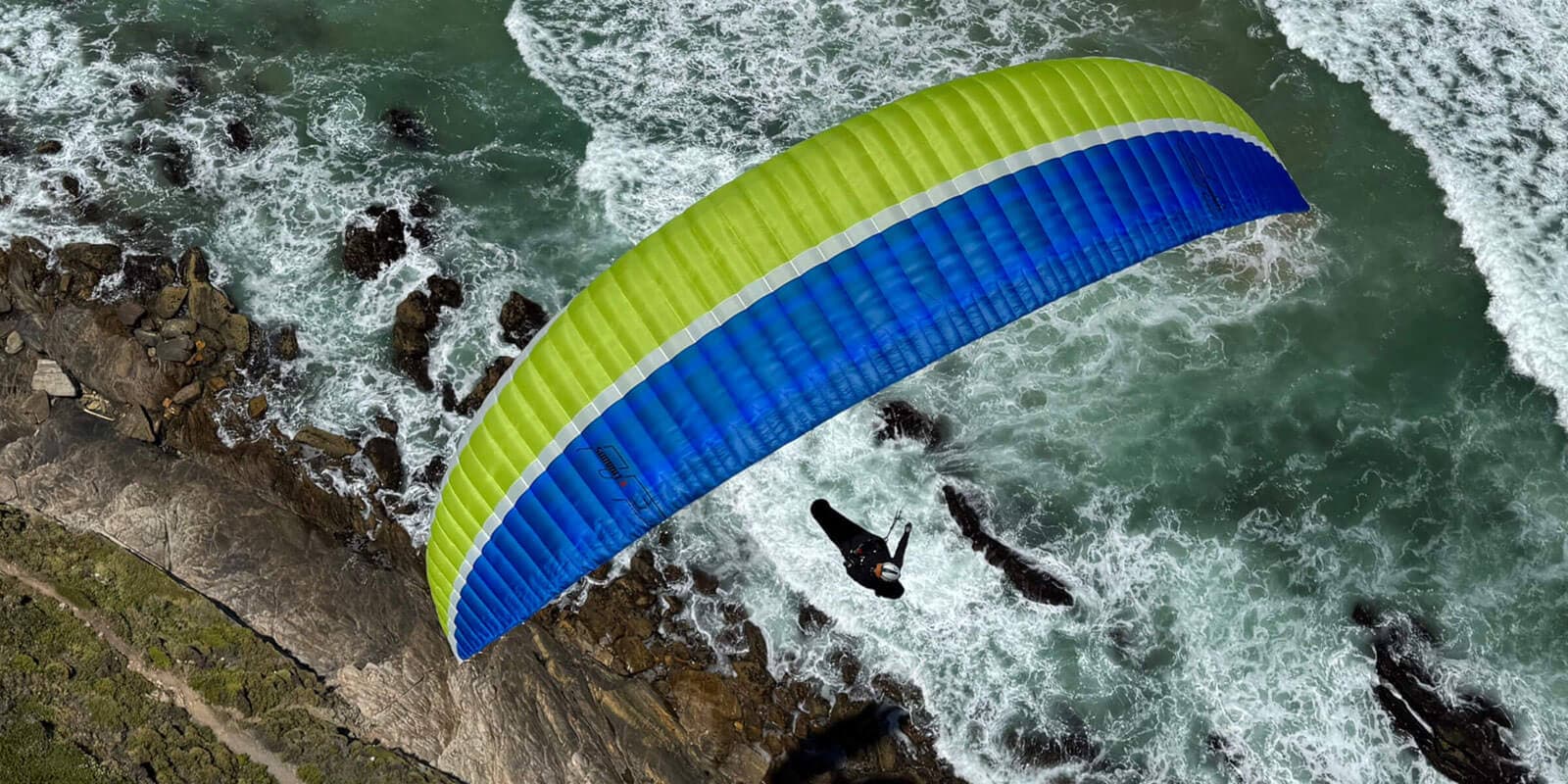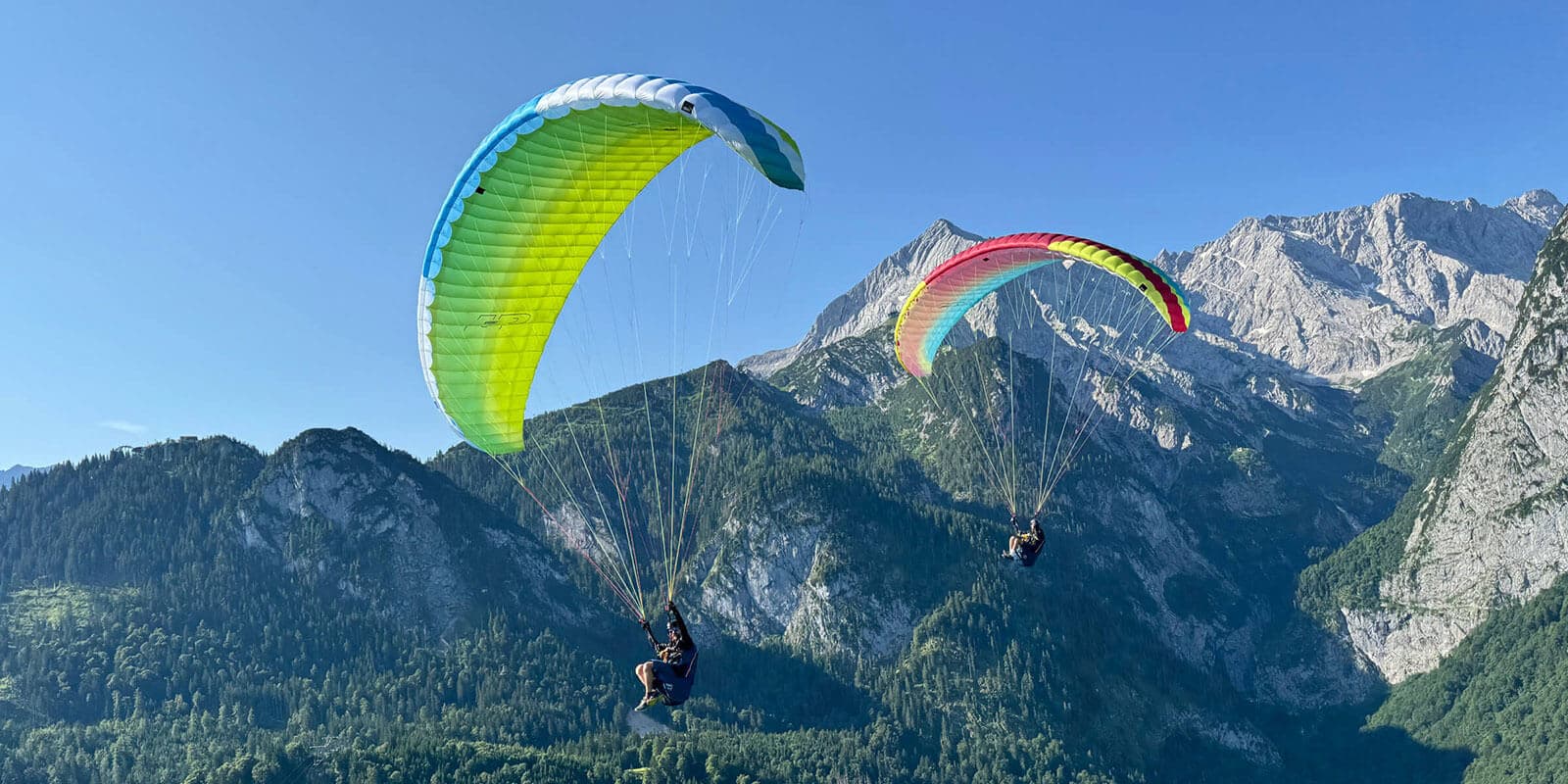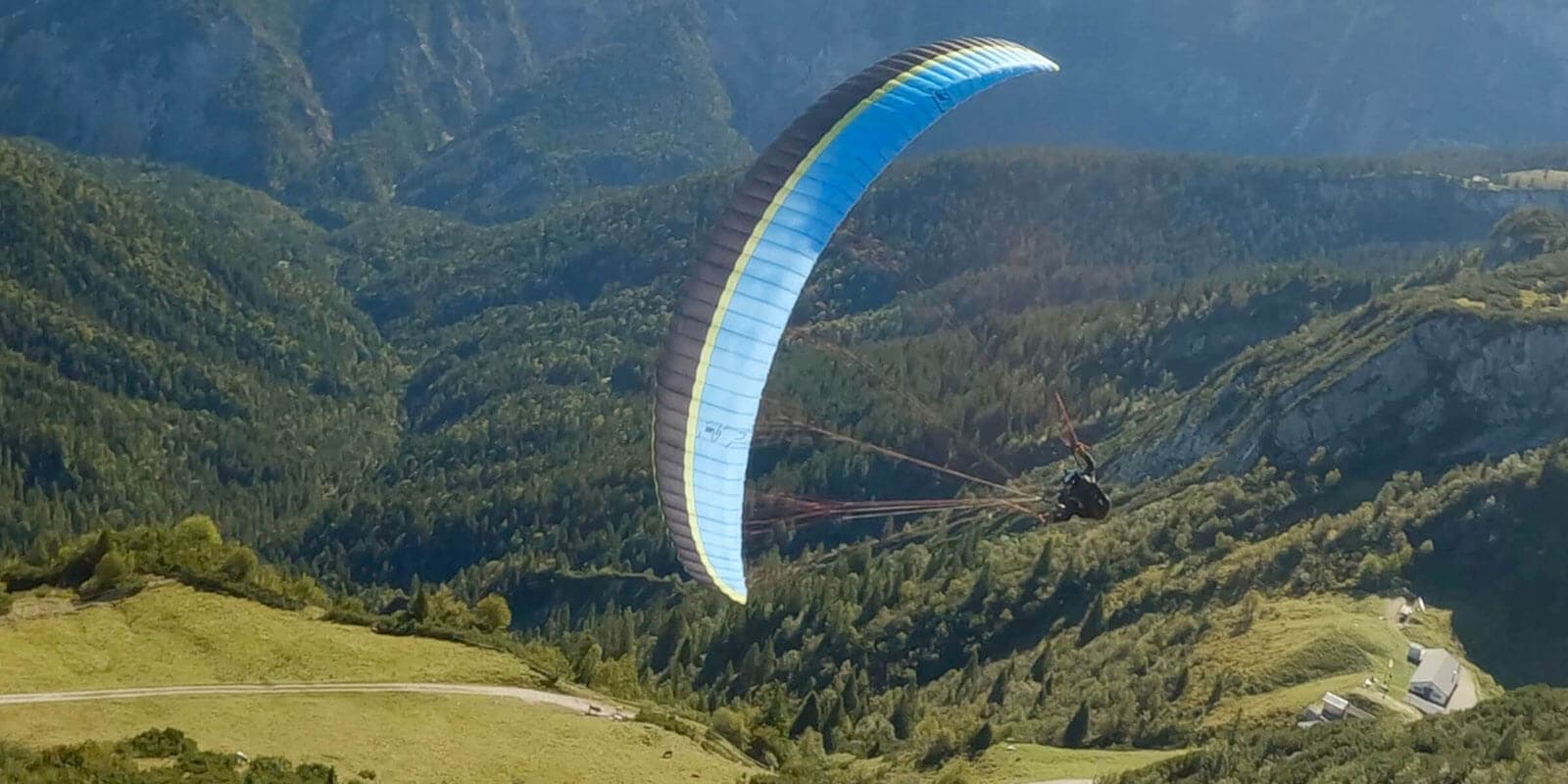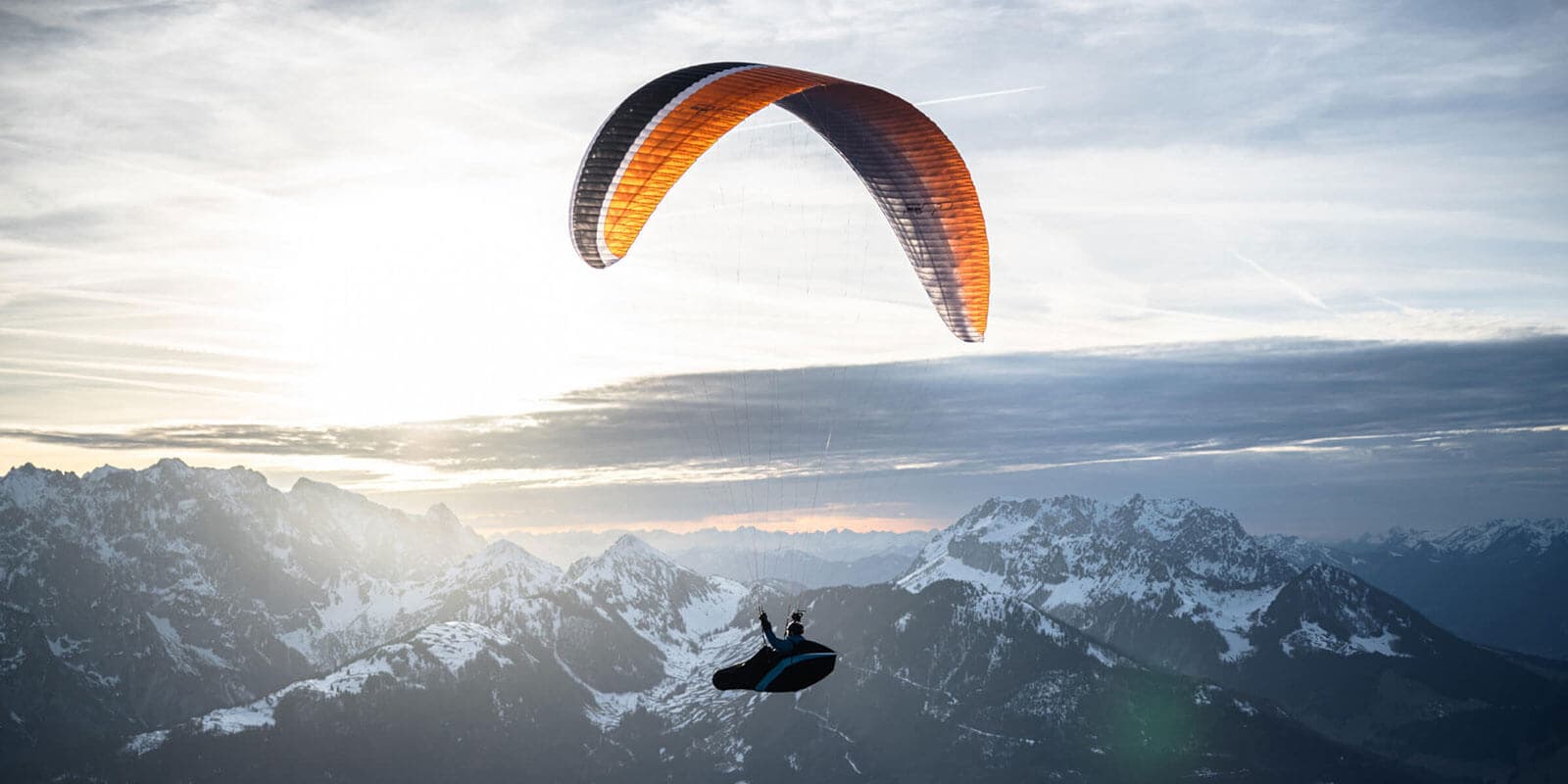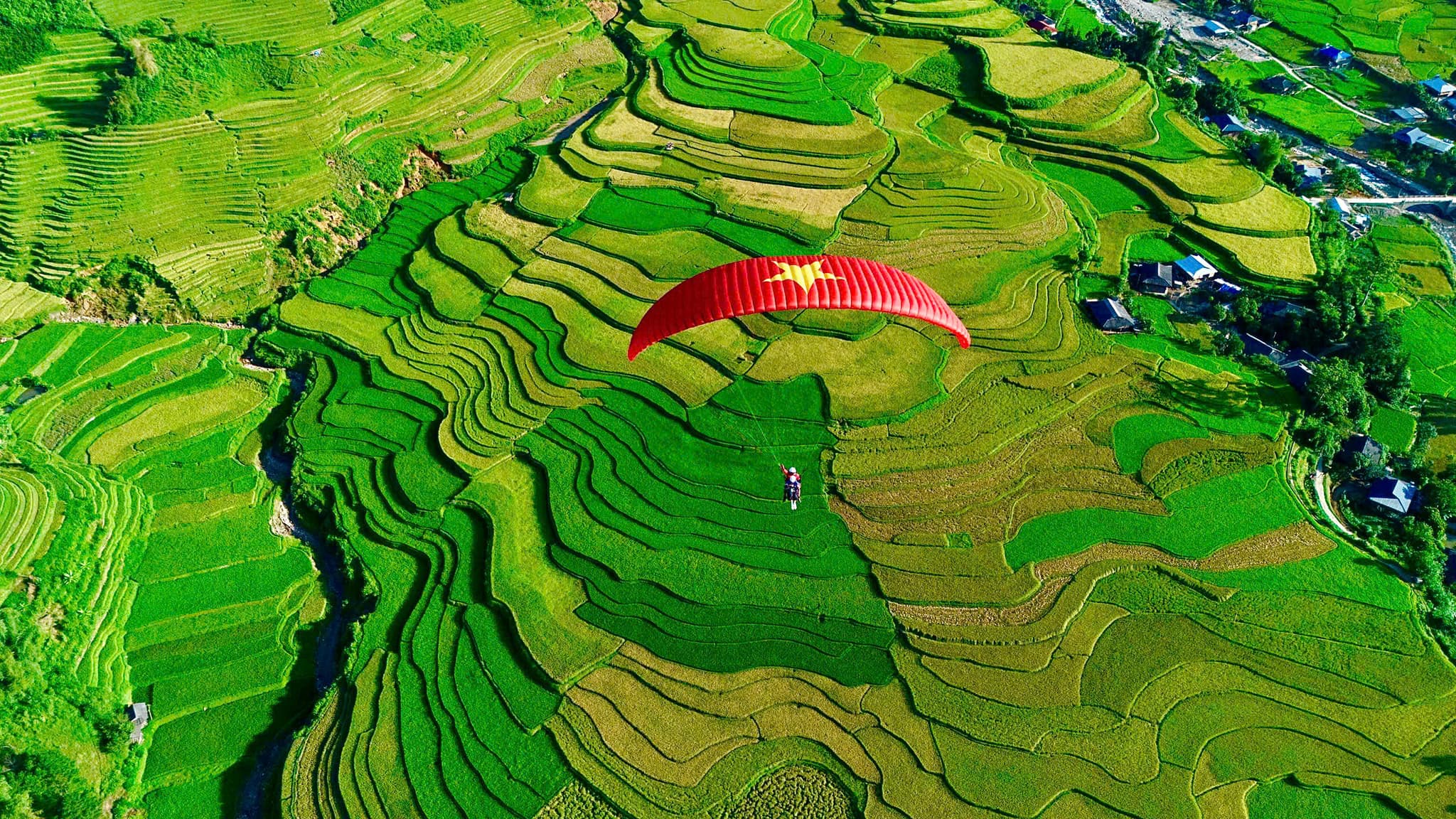
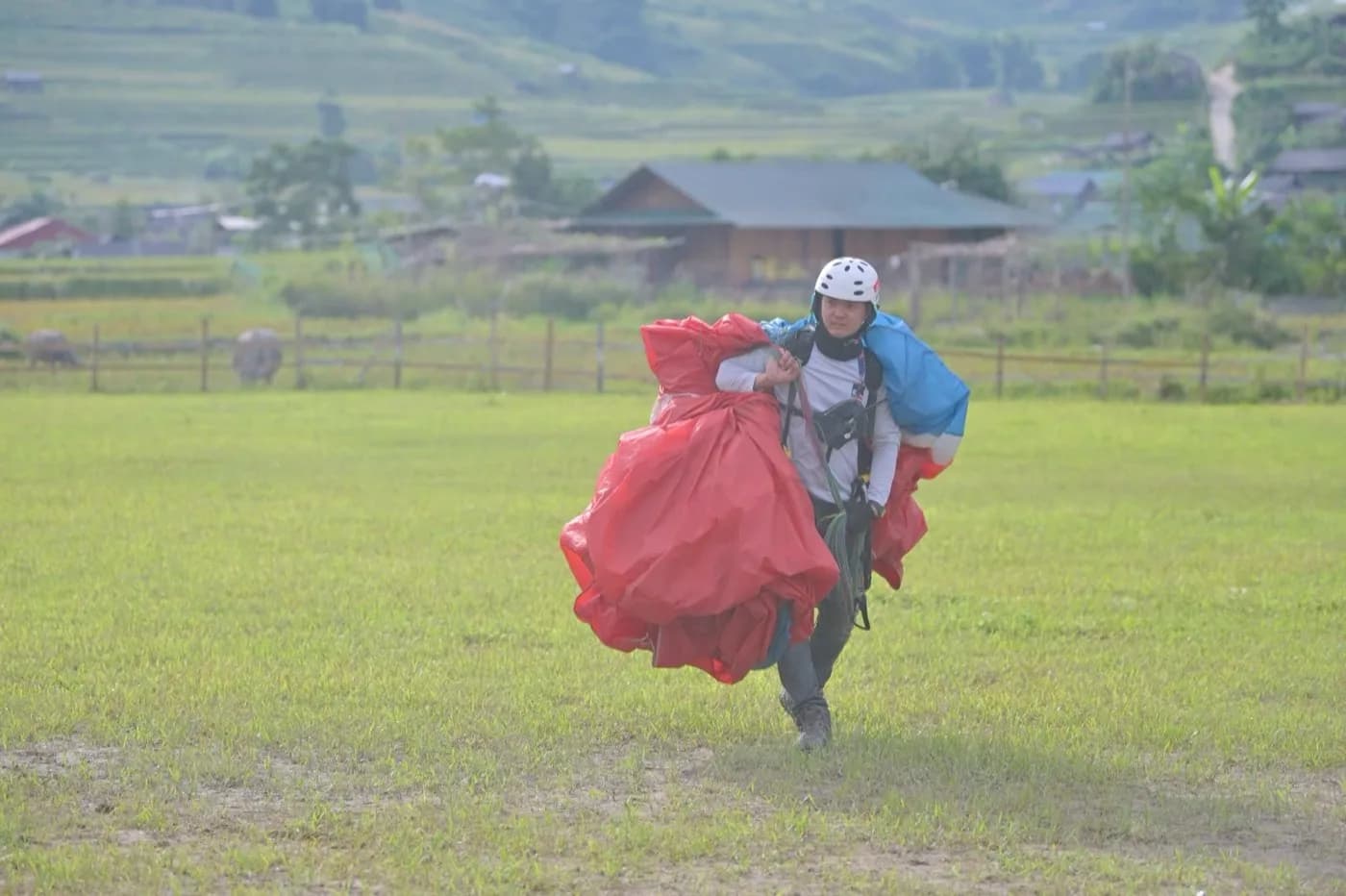
Did you learn to fly but have not touched a wing for a long time? Or have you just finished P1 and want to move on to P2? The refresher course helps you safely get the feel of the wing back, then fly again under instructor supervision — all within a trip to Mu Cang Chai. The course follows the IPPI/APPI pilot-skill standards, adapted by Mebayluon to flying conditions in Vietnam. There is no fixed plan: on day 1 the instructor assesses your level and builds a plan for you. It is skills training and does not issue a licence.

Who the course is for
- You did P1 and want to move on to P2 and practise again: you have done ground handling and low flights, and now want to revise and progress to high flights from launch.
- You stopped flying a long time ago and want to refresh: students or pilots who have not flown for a long while and want to revise their skills and fly again safely during a trip.
Solid at P2 and want more advanced techniques? See the P2–P3 course (transition stage). Never flown before? Start with the P1–P2 course.
Refresher content — based on IPPI/APPI standards
- Initial assessment. A talk about your experience, a look at your logbook (if you have one), watching you ground handle; from there the instructor picks your starting point and builds your plan.
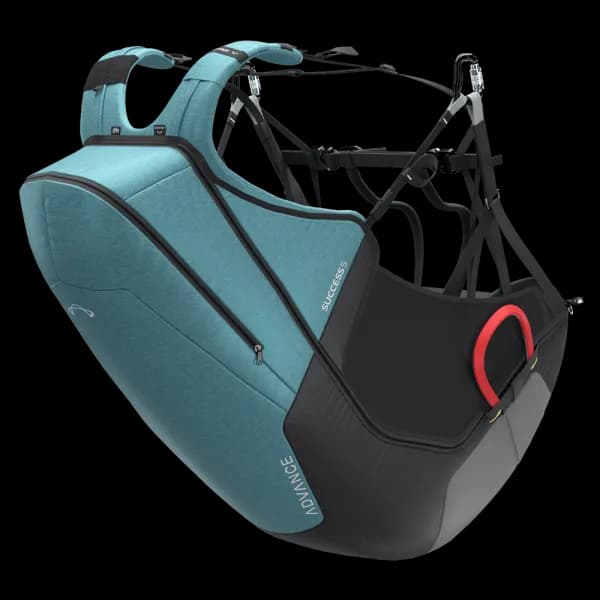
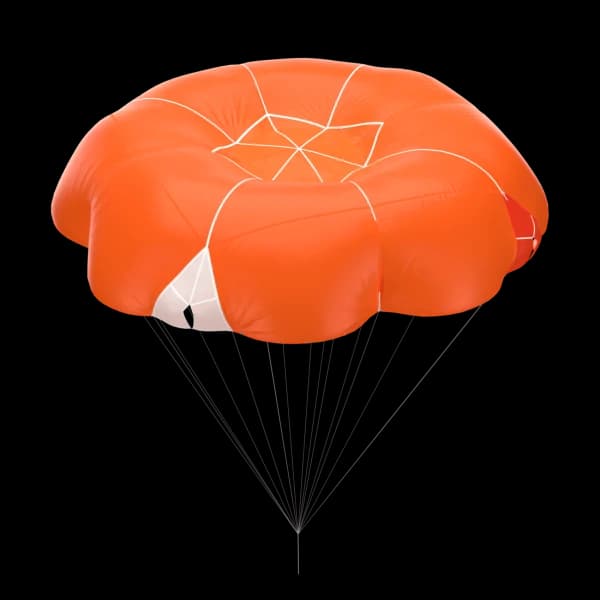
- Equipment and pre-flight check revision. Parts of the wing, harness, reserve parachute; laying out, clearing the lines; pre-flight check and cross-check.
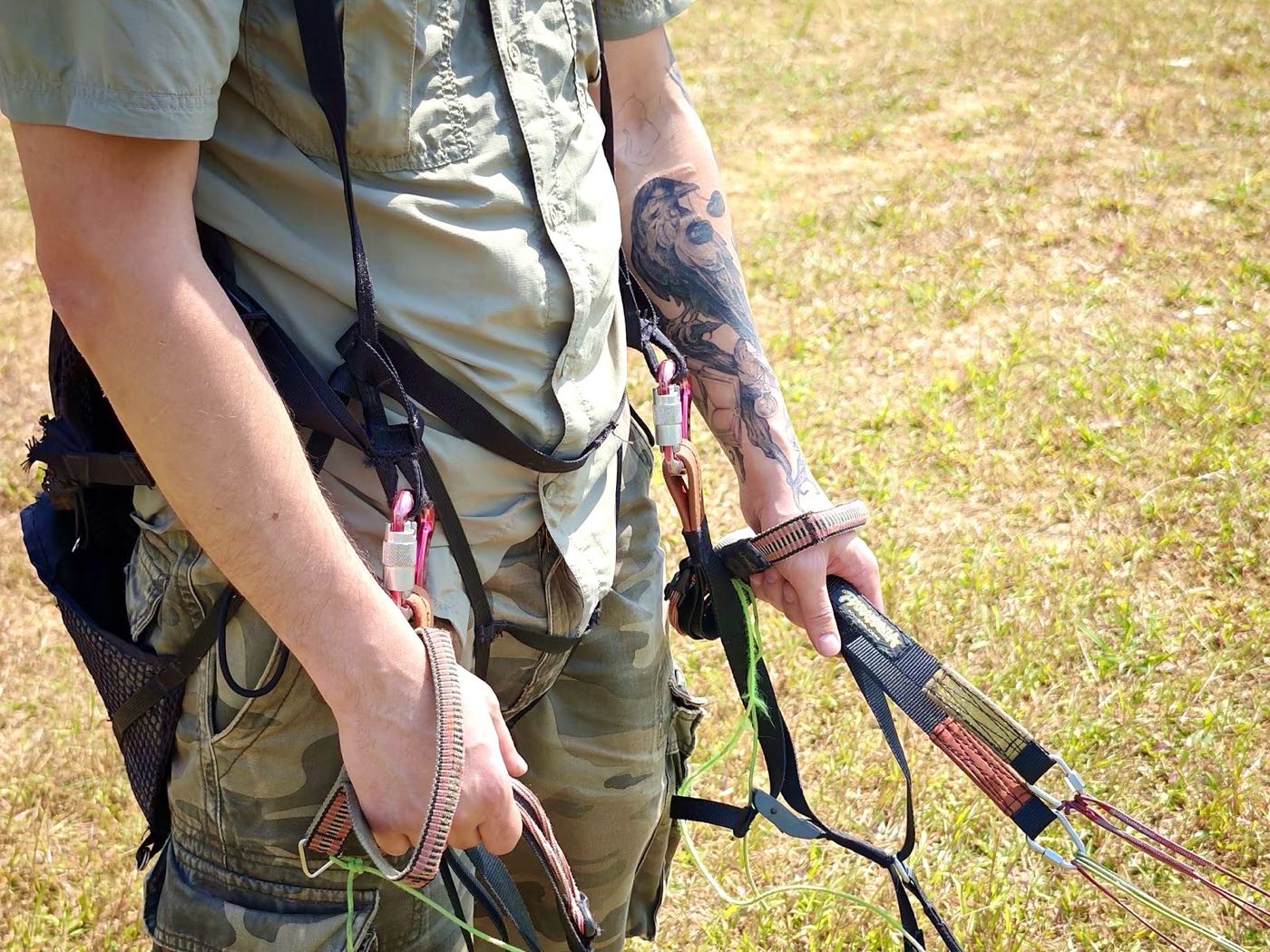
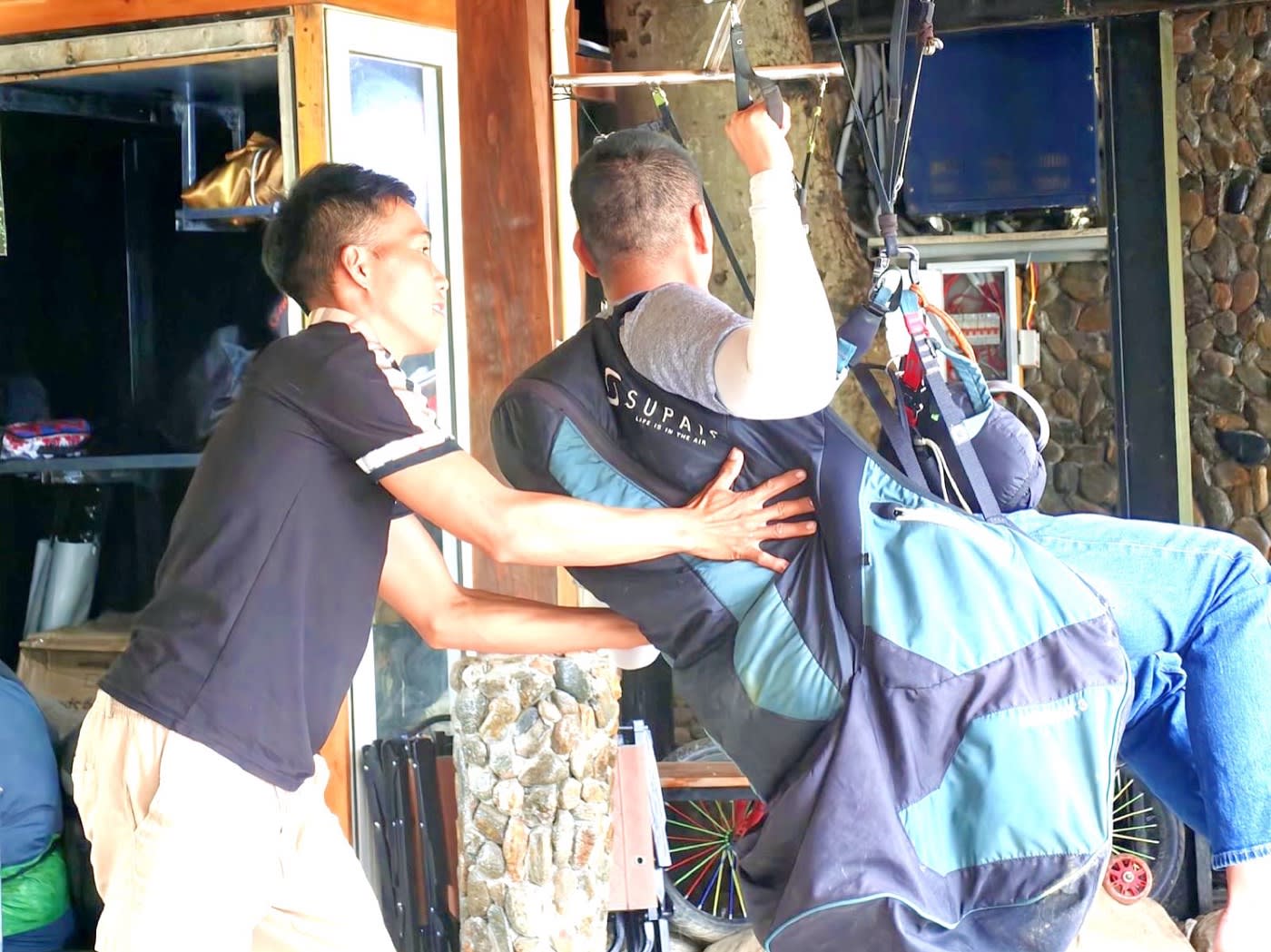
- Ground handling revision. Forward or reverse inflation depending on the wind, holding the wing overhead, correcting it, changing direction, killing the wing — until controlling the wing overhead is a reflex again.
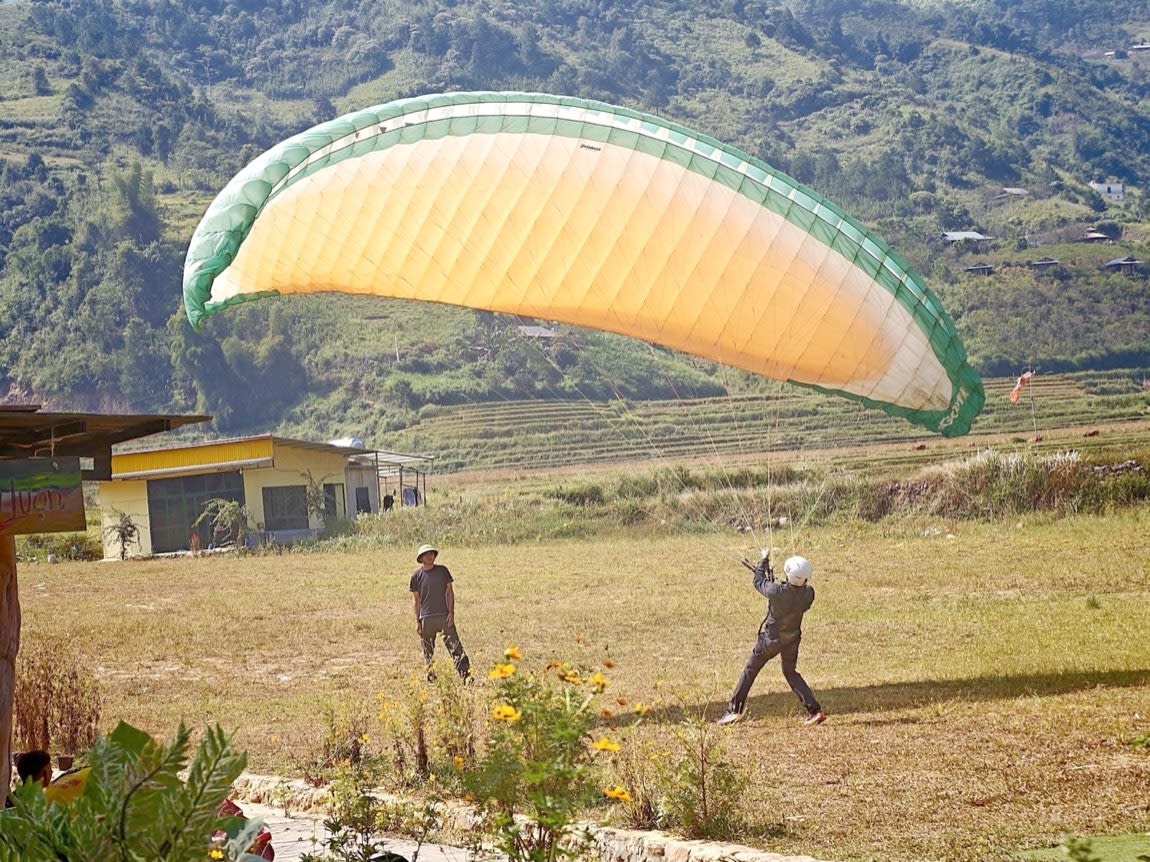
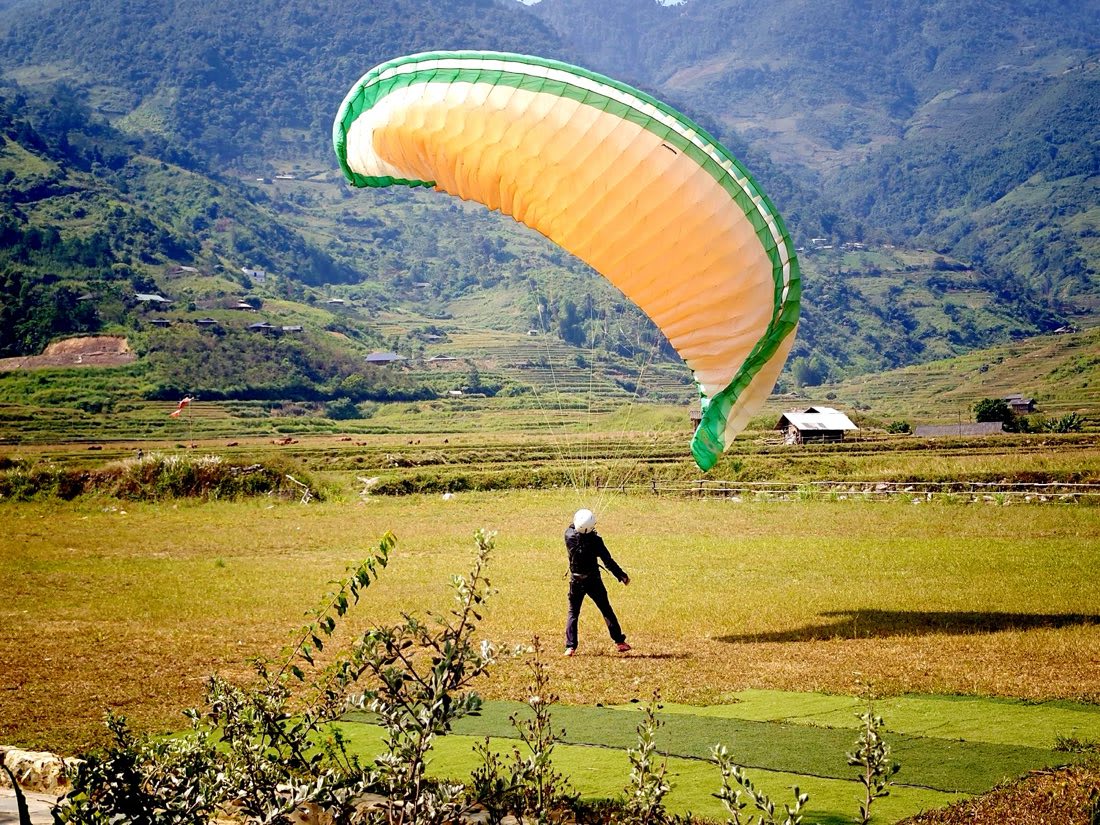
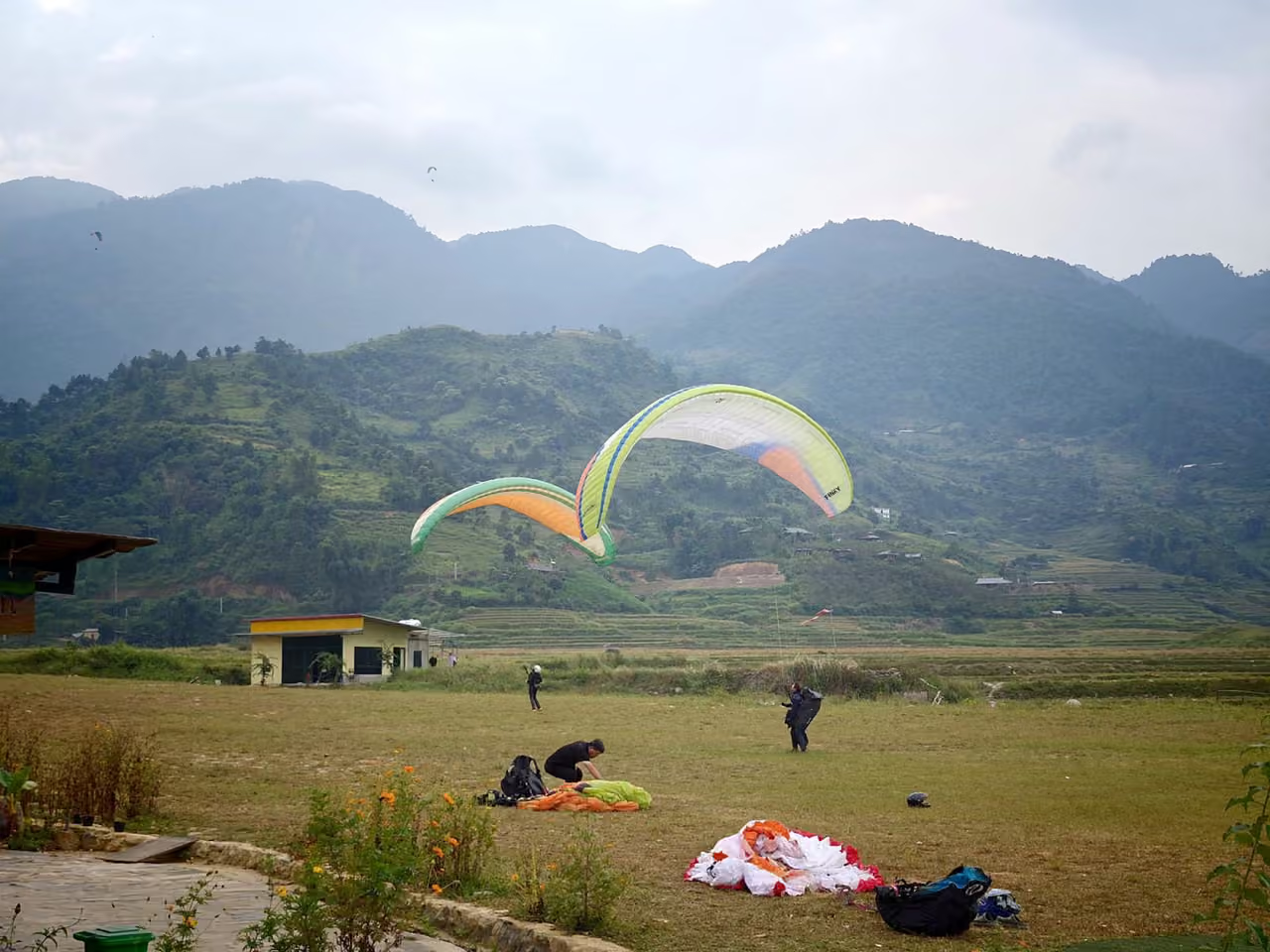
- Launch and touchdown revision. Low flights a few metres up by hand tow (people pull the line, no motorised winch) on the training field to revise inflation – run – take-off – touchdown; then launching from the site near the top of the Khau Pha pass once the instructor judges you ready.

- High flights with radio. An instructor at launch and one at the landing field guide you by radio throughout; each flight has a clear goal: gentle turns, holding your line in a crosswind (correcting for drift), losing height in the right area.
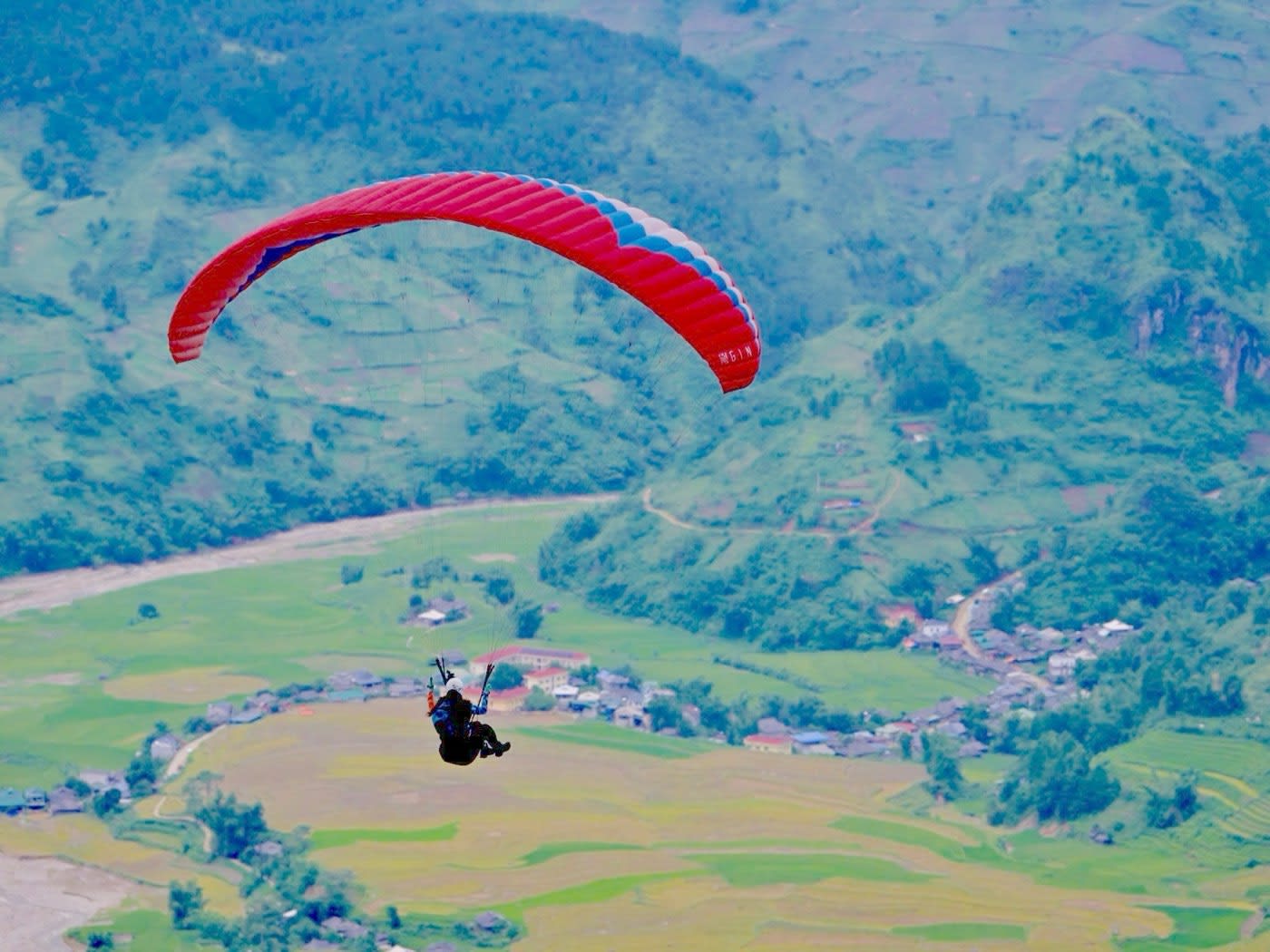
- Landing revision. Height-loss area, landing pattern, final glide into wind, landing in a planned area, touchdown and killing the wing.
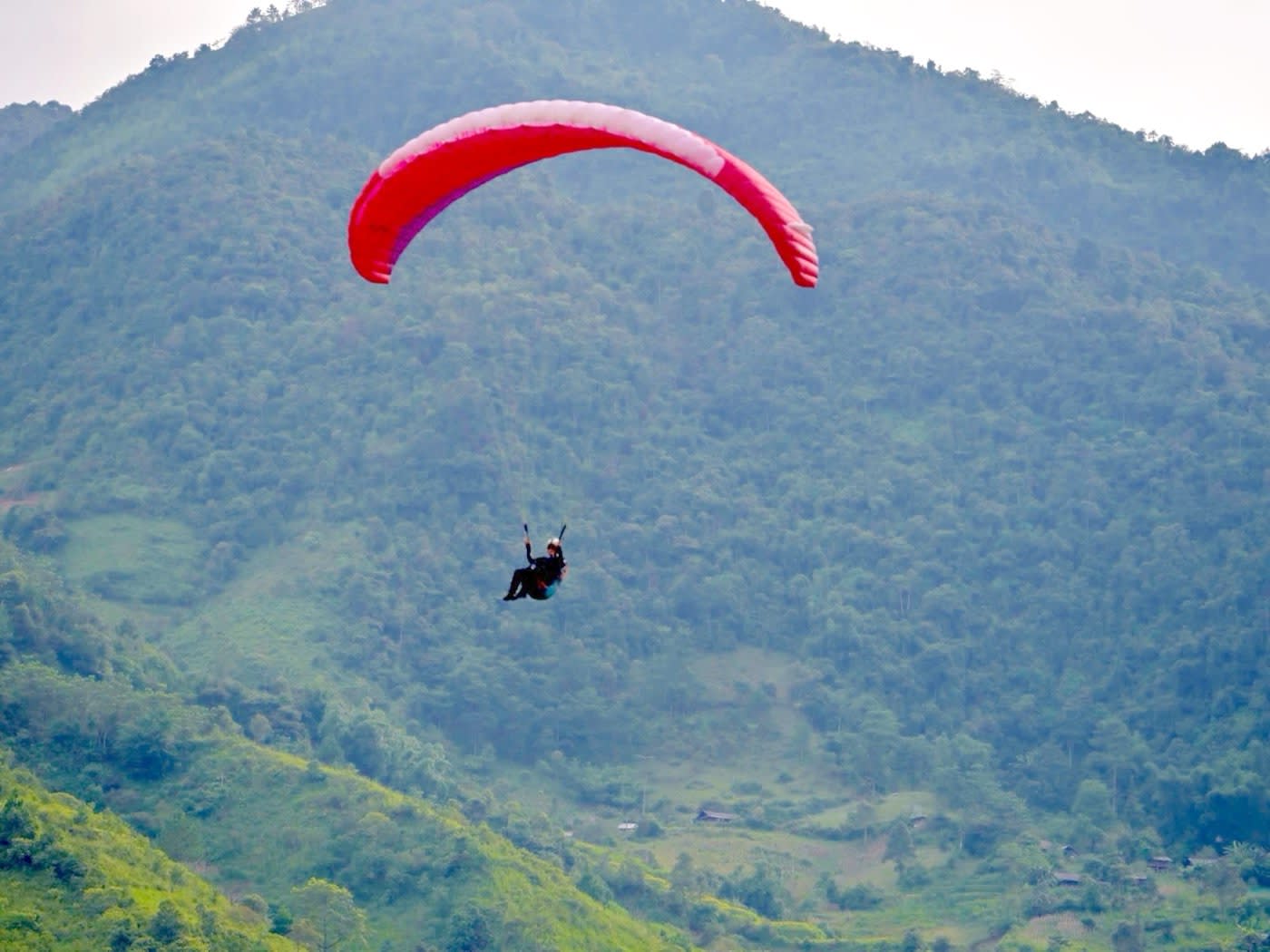

- Safety and weather revision. Reading the wind at launch and landing, wind limits for students, when not to fly; the reserve parachute and handling incidents; collision-avoidance rules.
For those moving on to P2, the high flights follow the IPPI/APPI level-2 skill requirements: flight planning, launching with a stop line, turns, holding your line in a crosswind (correcting for drift), landing in a planned area.
Day-by-day plan (indicative)
This is a sample 6-day plan, with day 7 as a weather reserve. If your break was short and your skills are still solid, you may reach high flights sooner; if you need more time, you spend longer on the training field. The instructor decides the next step after each session. On days you cannot fly, you do theory and ground handling.
| Day | Content |
|---|---|
| Day 1 | Assessment and ground handling. Meet the instructor and go over your experience; revise equipment and pre-flight checks; ground handling on the field by the Clubhouse so the instructor can assess you; agree your personal plan. |
| Day 2 | Progressive ground handling. Forward or reverse inflation, holding the wing overhead for longer, changing direction, killing the wing; theory: wind, basic meteorology, safety. |
| Day 3 | Launch and touchdown revision. Low flights by hand tow; theory of flight planning and the landing pattern at the Clubhouse field; simulator practice: flying posture, emergency handling and a reserve-handle pull drill. |
| Day 4 | First high flight of the refresher. Launch near the top of the Khau Pha pass, with instructors guiding by radio from launch to touchdown; debrief after the flight. |
| Day 5 | High flights, one goal per flight. Turns, holding your line in a crosswind (correcting for drift), losing height in the right area, landing in a planned area. |
| Day 6 | Combined flights, final assessment. Comparison with day 1; those moving on to P2 are assessed against the IPPI/APPI level-2 skill requirements; those refreshing get advice on how to keep flying safely. |
| Day 7 (reserve) | Makes up for a bad-weather day or adds practice on weaker skills. |
Is a licence issued?
The refresher course does not issue a licence. At the end, the instructor tells you clearly where you stand and what to do next: build more flights, take the P2–P3 course or prepare for the P3 exam.
Fee and what is included
15,000,000 VND per student Included: • Accommodation at the Mebayluon Clubhouse, beside the landing field, for the whole course • Direct instruction and radio supervision • 10–20 guided flights during the course (20 at most); once the instructor judges it safe, on some flights you plan the flight and handle the launch and landing yourself — the instructor still monitors you by radio throughout; no flight is ever unsupervised • School flying equipment if you have none: a wing suited to your level, harness, helmet, reserve parachute, radio Bonus: 2–3 tandem flights with an instructor (weather permitting). Not included (at your own expense): the daily ride up to the take-off, meals, drinks, travel. Group of two: 14,000,000 VND per person. Bring your own flying equipment (wing, harness, reserve): 3,000,000 VND off per student.
Condition for the own-equipment discount: a complete set suited to your level — an EN-A or low EN-B wing in good condition (cloth and lines not aged, especially after years in storage), flown within its weight range; a harness with back protection; a reserve repacked within the recommended interval. The instructor checks everything on day 1; if any item is not safe, you use the school's equipment and the discount does not apply.
Location: Khau Pha only
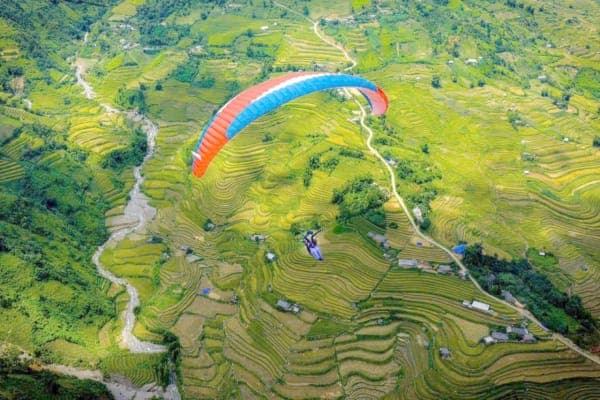
The course runs only at the Khau Pha Pass flying site in Mu Cang Chai: launch near the top of the pass at 1,268 m, right by National Road 32; landing in Lim Thai village, among the terraced fields of the Lim Mong valley. Students stay at the Mebayluon Clubhouse beside the landing field. Training field, launch, landing and accommodation are all close together, so when conditions are good you fly, with no travel time lost.
About the Khau Pha flying site →
Start dates
Taught one to one or in a group of two; the pace follows your progress, not a class average. The course runs 5–7 consecutive days: 5 if you progress well and the weather helps; 6–7 when a weather reserve day or extra time is needed. Start dates are flexible and arranged around you, not fixed intakes. Contact us in advance to confirm dates and reserve a room at the Clubhouse.
Frequently asked questions
I have not flown for several years. Do I have to start from scratch? Usually not. The instructor assesses you on day 1: if the skills are still there you move to high flights early; if you have forgotten a lot, you revise ground handling thoroughly first. What counts is your actual skill, not the length of the break.
I did P1 at another school. Is that OK? Yes. Bring your logbook or a record from your previous school if you have one, so the instructor quickly sees what you have covered.
What about companions who are not learning? They can enjoy Mu Cang Chai, or book a tandem flight with a Mebayluon pilot at Khau Pha separately.
When is the best season? The finest seasons at Khau Pha are the water season, when the terraces are flooded (May–June), and the ripe-rice season (September–October); other months still have good flying days, and the instructor advises on dates based on the forecast.
What should I bring? Ankle-high shoes with good grip, long clothes, gloves, sunglasses; your logbook and your own flying equipment if you have them.
Can I take the course at another site? No. It is taught only at Khau Pha, where the training field, launch, landing field and accommodation are close together.