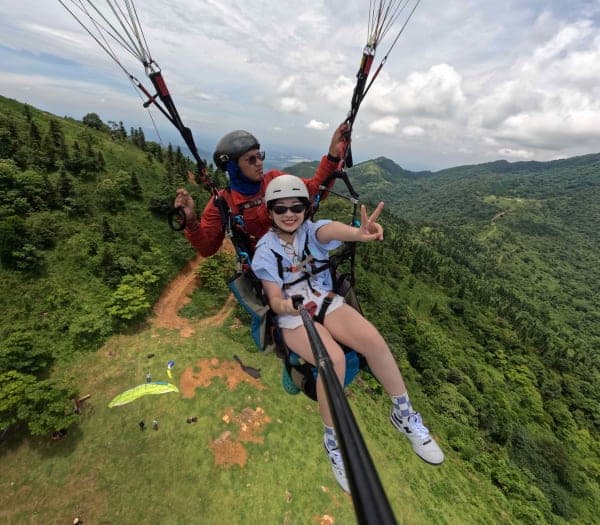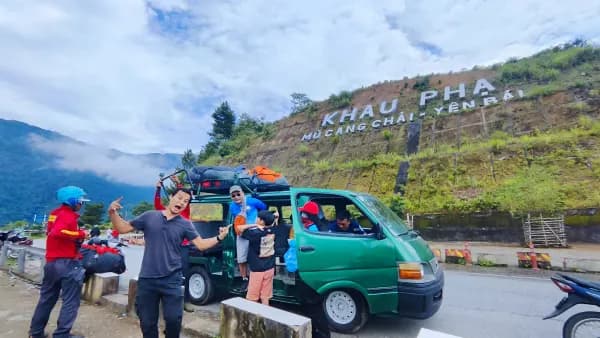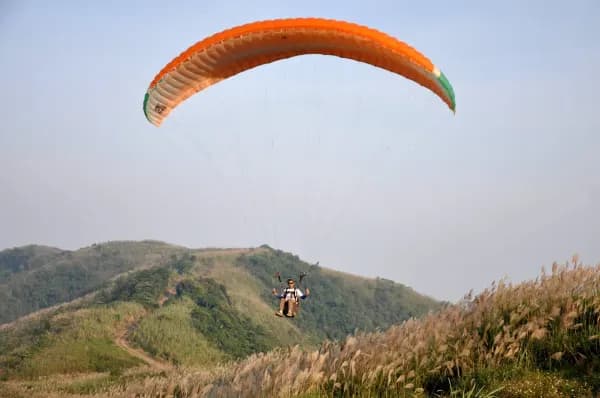
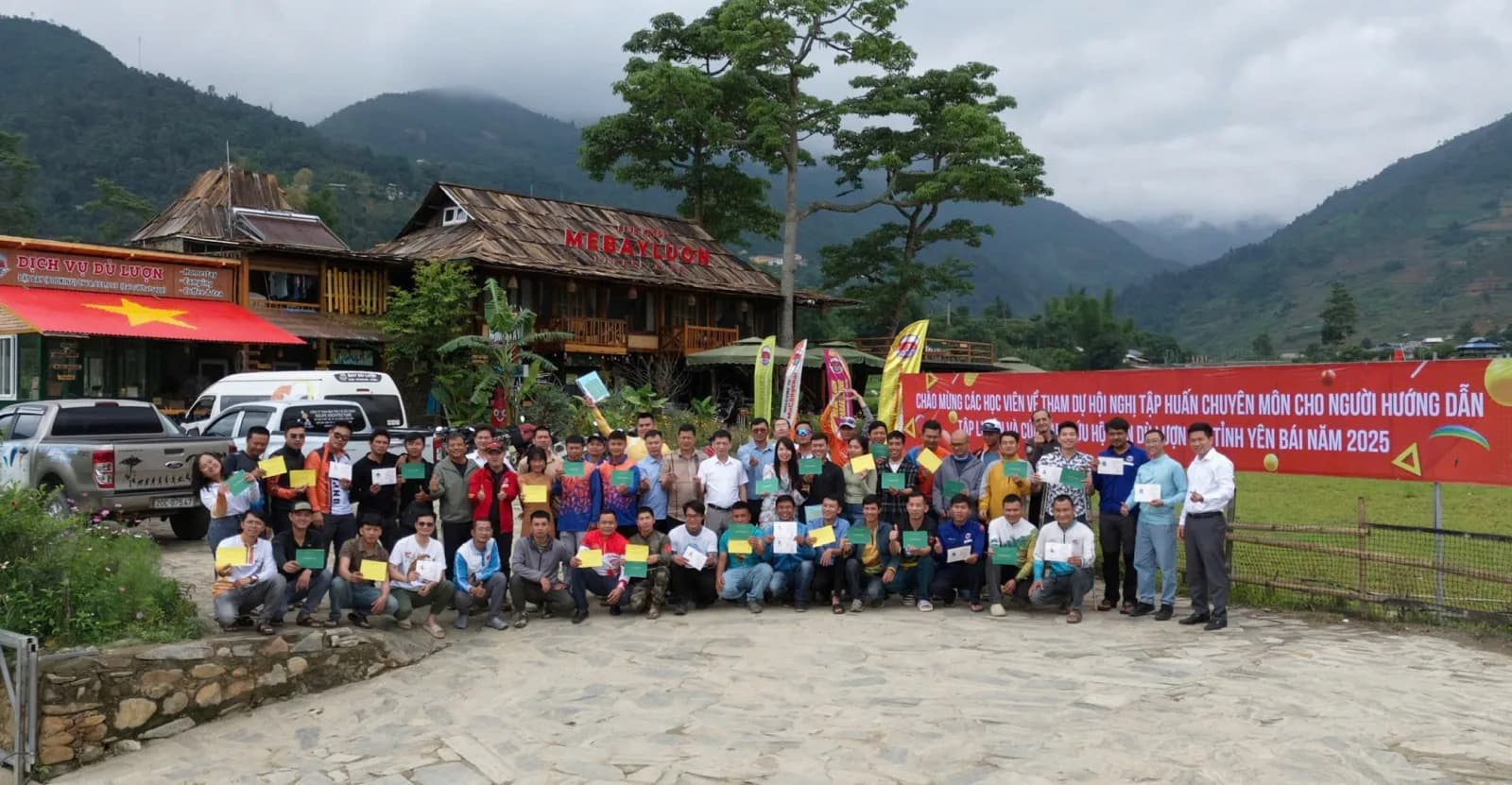
From 24 to 26 May 2025, the Khau Pha paragliding site — Lim Thai village, Tu Le commune (formerly Cao Pha commune, Mu Cang Chai district) — hosted the 2025 professional training conference for paragliding instructors and paragliding search-and-rescue personnel of Yen Bai province. The programme was organised by the Yen Bai Department of Culture, Sports and Tourism, with Vien Nam Tourism and Sports Joint Stock Company (Mebayluon Paragliding) as the proposing company and the organisation in charge of preparations. More than 60 participants from all over Vietnam came to Khau Pha for those three days.
A programme prepared from national level down to the local level
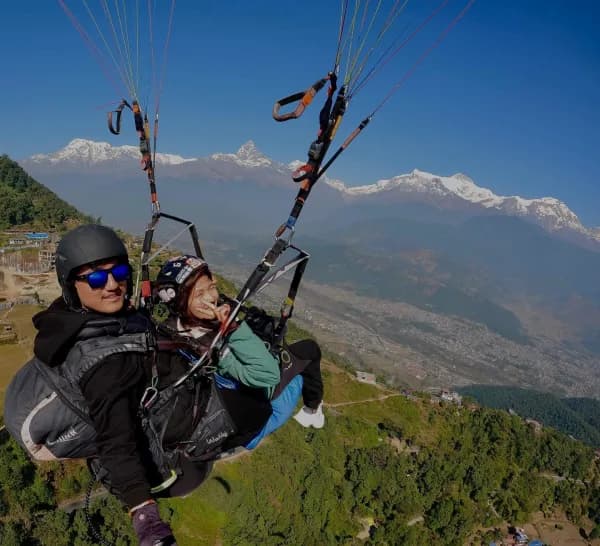
This was not an in-house course. It went through every legal step required of a provincial training programme: on 8 May 2025 the Yen Bai Department of Culture, Sports and Tourism submitted a proposal to the Vietnam Sports Administration; on 13 May the Administration replied, welcoming the initiative and asking the Department to build a plan, form an organising board and a teaching team, prepare the professional conditions and ensure safety; on 16 May the Department issued the conference plan; and on 19 May it issued the decision to hold the conference and establish the organising board. The board was chaired by Mr Nguyen Hoang Long, Deputy Director of the Department of Culture, Sports and Tourism; Mr Le Duy Ha, Head of the Sports Management Division, served as standing deputy chair; and Mr Dang Van My, Director of Vien Nam Tourism and Sports JSC, as deputy chair. The board also included a representative of the Mu Cang Chai district Division of Culture, Science and Information, and the Chairman of the Hanoi Paragliding Association. The search-and-rescue content was taught directly by lecturers from the University of Fire Prevention and Fighting — Ministry of Public Security. Alongside the organising board, the Department also established a teaching team for the conference: Mr Nguyen Hoang Long as team leader, Mr Le Duy Ha as deputy, together with Mr Dang Van My and two lecturers from the University of Fire Prevention and Fighting, Mr Do Hoang Thanh and Mr Diep Xuan Hai. The team was responsible for preparing the lesson plans and delivering the syllabus as scheduled. What set this edition apart was the presence of international instructor Alish Thapa, a Nepali pilot who is an APPI-certified paragliding instructor, an SIV instructor and a skydiving instructor. He taught in person, covering material at professional level: advanced flying technique, recovery from abnormal in-flight situations using SIV methodology, and the professional standards expected of an international instructor.
More than 60 pilots from all three regions
The participant list shows the reach of the programme: pilots from Hanoi, Ho Chi Minh City, Da Nang, Quang Ninh, Hai Phong, Ninh Binh, Thanh Hoa, Nghe An, Ha Tinh, Quang Binh, Quang Tri, Hue, Quang Nam, Khanh Hoa, Dak Lak, Lam Dong, Binh Duong, Ba Ria – Vung Tau, An Giang — alongside local pilots from Lim Thai and Ta Cho villages in Cao Pha itself. Most registered for both tracks: instructor training, and search and rescue.
What was covered in three days
Law and management: participants were briefed on the Law on Physical Training and Sports and its amendments; Decree 36/2008/ND-CP on unmanned aircraft and ultralight flying vehicles with its amending Decree 79/2011/ND-CP; Circular 06/2018/TT-BVHTTDL on facilities, equipment and staff training for paragliding and hang gliding; and Circular 04/2019/TT-BVHTTDL listing sports that legally require a qualified instructor and those classified as adventure sports. This is the least glamorous part for a pilot and the most decisive one: to run flights legally, or to put your name to a flying site, you have to know the legal frame you are operating inside. Instructor training to APPI standards: the teaching material was compiled by Mebayluon Paragliding following the instructor syllabus of APPI (Association of Paragliding Pilots and Instructors), the Switzerland-based international paragliding education system. Participants were introduced to the APPI progression from leisure pilot (APPI 1–5) through the professional levels — tandem pilot, assistant instructor, instructor, master instructor — along with teaching methodology for flight instructors: how to structure a session, how to analyse root causes when a student keeps hitting the same difficulty, radio guiding technique, where the instructor should stand on launch and at the landing zone, the session-planning templates and skills evaluation grids used at each stage, and safe tandem procedure.
The flying module covered core techniques, the factors affecting a flight, use of specialised equipment and the safety rules governing paragliding operations. Practical work covered flying skills and how to run a flying day — equipment checks, packing, laying out launch and landing areas, and group coordination.
The search-and-rescue module left the strongest impression. Participants practised knots and rope technique for high-angle rescue, along with first aid on site: splinting fractures, bandaging, and moving a casualty by stretcher. The lecturers worked with each participant individually, correcting every knot and every wrap. In paragliding this is not decorative knowledge. A flight that goes wrong on a mountainside can put a pilot in forest, in terraced rice fields, or in a tree — situations a professional rescue team needs time to reach. The person closest to the casualty, and the one who can act correctly in the first fifteen minutes, is usually a fellow pilot.
Closing: certificates, and a tighter community
Participants who completed the training received certificates at the end of the programme, but the certificate is probably not what mattered most. Over three days at Khau Pha, more than 60 people who had only known each other through online flying groups sat at the same table, handled the same rope, bandaged one another and worked through real accident analyses together. In a sport where safety depends heavily on whether pilots are willing to speak honestly about their own mistakes, that kind of bond has a value of its own. The course was therefore never only about transferring knowledge. It was also where pilots from across the country met, shared their skies and compared how each region flies — experience from Da Nang, Nha Trang, Dak Lak and Quang Binh placed side by side, alongside the international standards brought in by instructor Alish Thapa.
Why Mebayluon takes this on
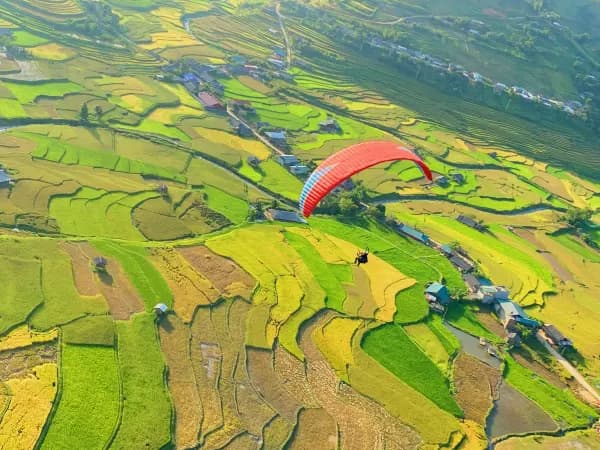
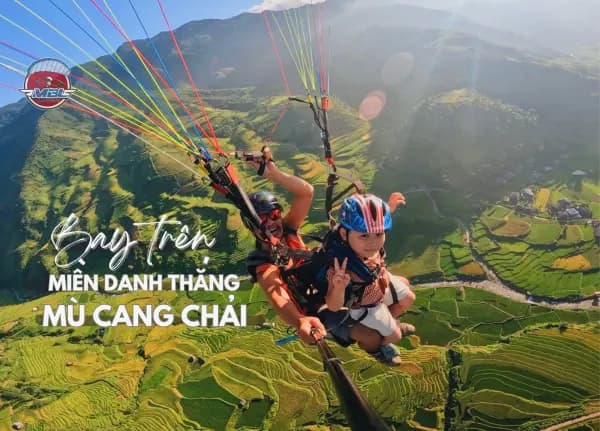
Mebayluon Paragliding operates the Khau Pha flying site — one of the most beautiful and best-known sites in Vietnam, set among the terraced rice fields of Mu Cang Chai. For us, preparing the conditions to host a provincial training programme is not a marketing exercise; it is part of the core job: raising the standard of how a commercial flying site is run in Vietnam. Pilots who are properly certified, who know the law, know first aid and know how to run a flying day by the book — that is the foundation on which Vietnamese paragliding grows sustainably, rather than growing fast and paying for it later. And that is why the value of a training course does not stop at 60 certificates. When professional knowledge spreads, the flying community runs to a higher standard, and every pilot goes home to their own site carrying a shared benchmark — that is what lasts longest. (This article looks back at an event held in May 2025.)
The site referred to here is Khau Pha. The full guide for guests is paragliding in Mu Cang Chai.