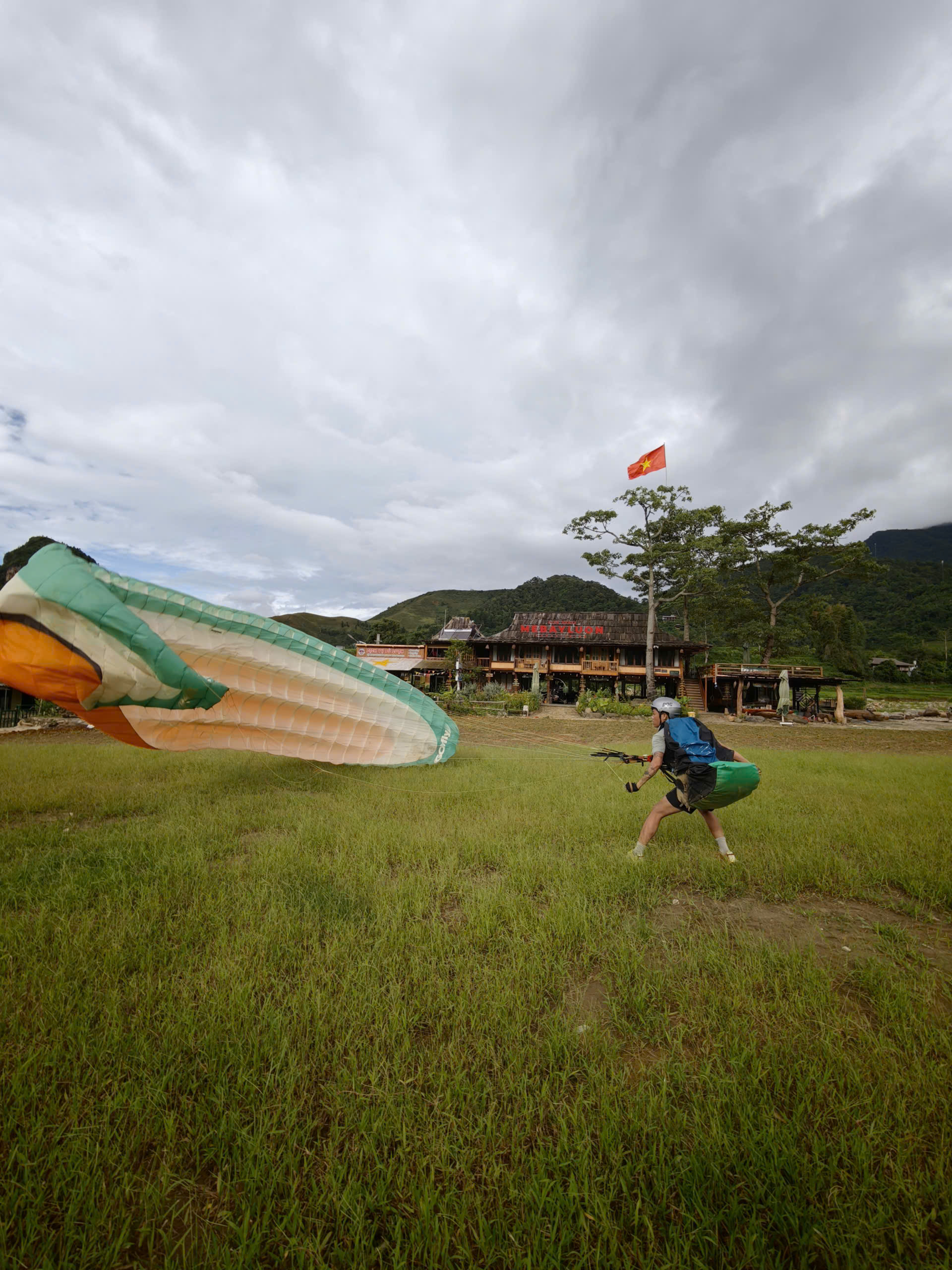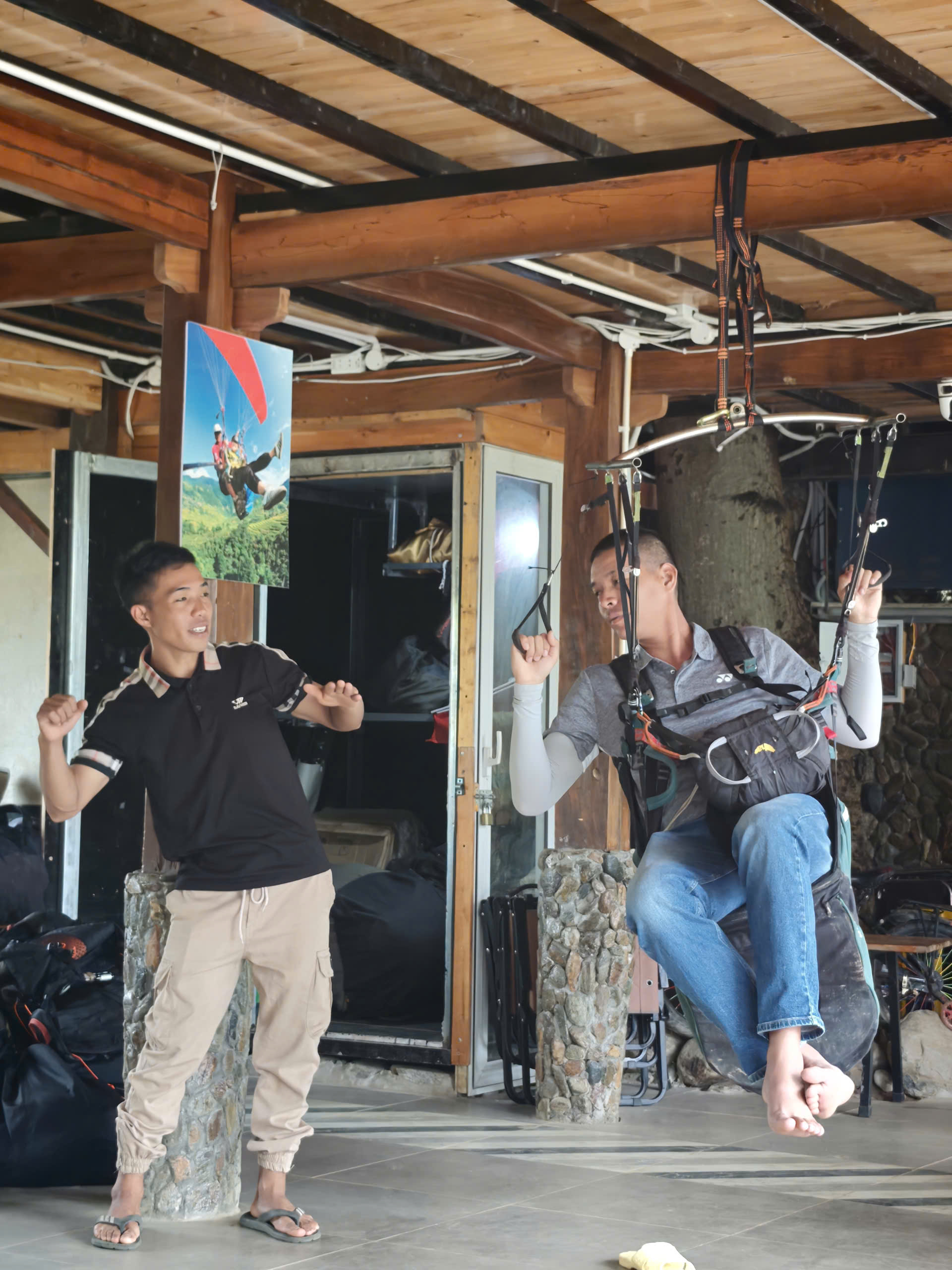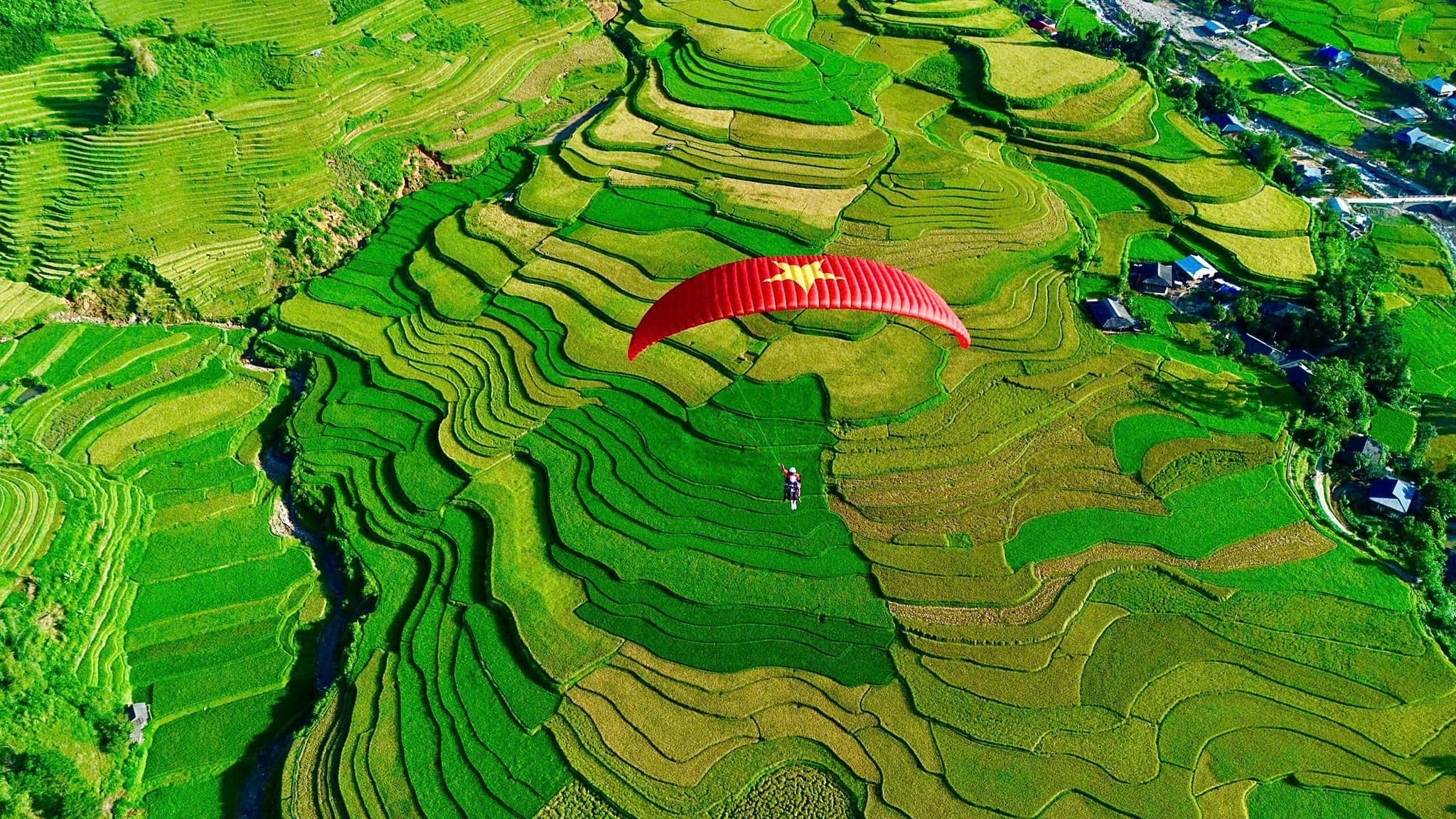
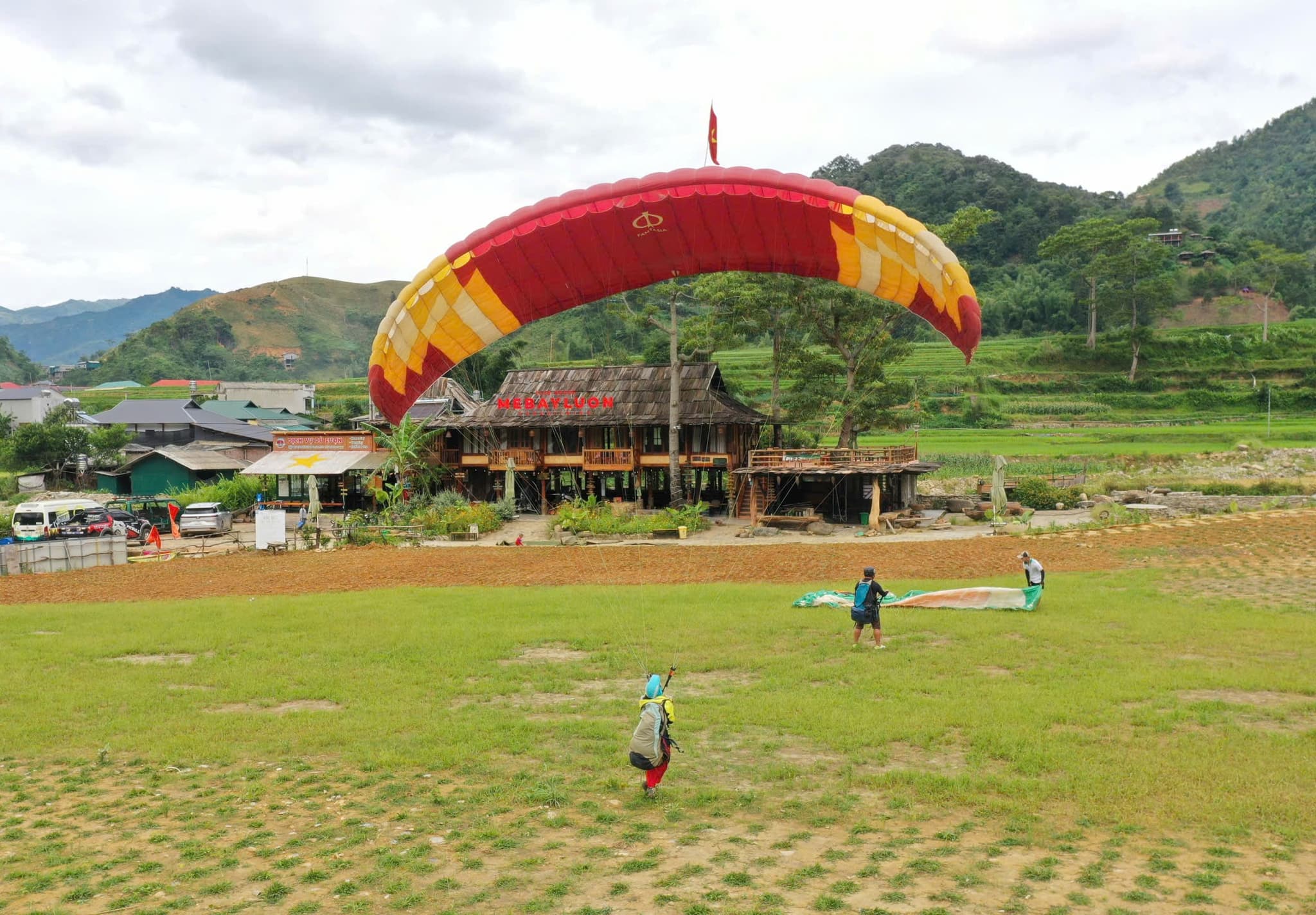
This course takes you from never having touched a wing to launching, flying and landing on your own under instructor supervision. The programme follows the APPI syllabus — the Switzerland-based international paragliding education system — but it is skills training, not a certification course. Intensive does not mean abridged. The practice hours and number of flights stay at standard; what is compressed is the waiting time between sessions, because you stay at the flying site and can fly in every good window.
The two skill standards you will reach
P1 standard — Open Sky Pilot. The first level in the APPI syllabus. You cover the theory foundation: basic meteorology, flight mechanics, air law and anti-collision rules, equipment use and care, condition analysis, mental state. In practice: ground handling, the B.E.S.A.F.E pre-flight check, the five phases of launch, low flights and the first supervised solo flights with radio guidance. P2 standard — Adventure Pilot. The next level, corresponding to a minimum of 10 flights. You go deeper: how the day develops, the causes of collapses and stalls, active piloting, the glider speed range, 360° turns and figures of eight, drift control in crosswind, big ears for descent, and one complete landing approach technique. Reaching the P2 standard means you have the skills to fly solo under instructor supervision with radio contact.
Schedule and workload
• Duration: 6–8 consecutive days, minimum 6 days • Theory: 60 minutes per session, before going to the field • Practice: 30 hours on the ground and in the air • Low flights: 10–15, working on launch, control and landing close to the ground • High flights: 5–10, flying from the main launch down to the landing field The day count varies because paragliding depends on weather. On a bad day the session moves to theory and ground handling — no day is wasted.